











Trains are usually electric, right? Well, not exactly. Indeed, most trains rely on power lines, there is yet many diesel locomotives relies on the internal combustion engine for electricity rather than operating as battery electric trainThese are known as diesel electric locomotives.And until now, due to power and range requirements, they were the main choice Rail transport on non-electrified tracksFortunately, new scientific and technological breakthroughs are making the transition to: sustainable mobility.
This article covers the following topics:
How battery electric trains work
Purely electric trains were already being developed in the 19th century, but their introduction took time. It required costly infrastructure investments and had cheap oil to power trains without batteries. Diesel locomotives have been in use since his second decade of the 20th century when they began to replace steam locomotives. And while electrification is all the time, in countries like the United States, where railroads run thousands of kilometers, freight transport is still based on diesel-electric locomotives.
Therefore, the first step in the transition to 100% trains is Adapt diesel-electric locomotives.
The authors of a Berkeley Lab study published in Nature Energy found that the breakthrough power output of electric batteries could convert older locomotives into electric or hybrid vehicles at a reasonable cost, enabling sustainable development mobility. points out.
Operating this type of train is relatively easy. battery instead of diesel engine power the locomotive. This is a converted old locomotive, so you can keep the diesel engine for emergencies.
Scientists suggest that $94 billion could be saved by reducing pollution and carbon emissions if the transition were implemented. After 20 years, the reduction will be 400 million tons of carbon dioxide.
However, there are far more radical proposals than installing batteries in previous generation trains.
unmanned train
A group of SpaceX engineers have decided to jump on the railroad from space. They believe the time has come. battery powered unmanned train.
Parallel Systems, the company behind the project, proposes a new solution. omit the traditional locomotiveInstead they are proposing a range of tractor units. Equipped with motor and battery system with high autonomyEach of these units can be chained together to load freight containers.
Another advantage is the elimination of large locomotives, A more aerodynamic solution.
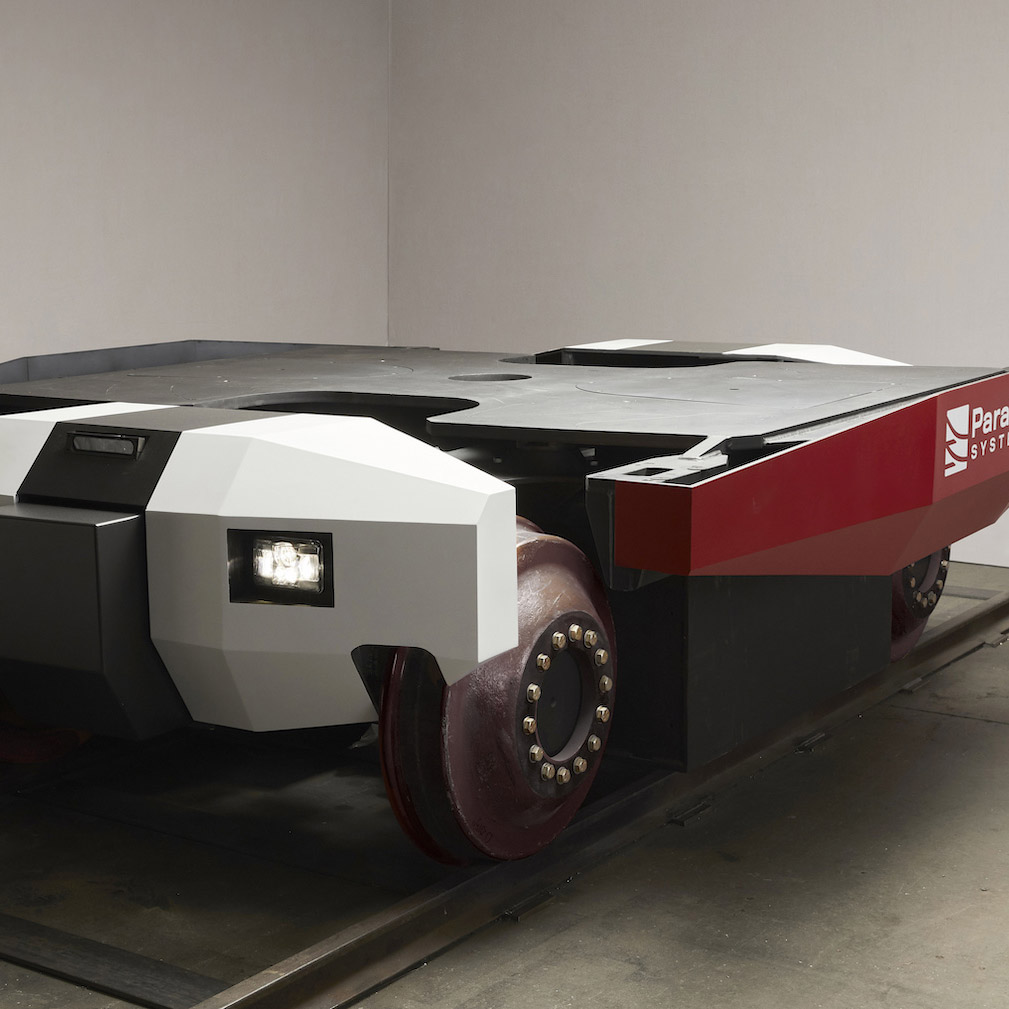
In summary, according to its developer, the automatic battery electric train has the following features:
- Modular: Possibility to add an unlimited number of tractor units
- Intelligent: Each unit has its own data processing center
- Ability to separate and deviate mid-route
- 1 hour charging time
- 800 km range
- 10 times the braking power of conventional trains
But the benefits of battery-electric trains don’t stop there. Whether unmanned or with a human driver, it can be a great ally for energy.
Trains as mobile power plants
One of the most exciting uses of electric vehicles is Ability to power the gridSo for off-grid households, they act as backup batteries and can be charged by solar or wind power during the day. Just as new electric battery trains adopt solutions from the world of electric vehicles, so too can they benefit from such applications.
Given that the new generation of self-driving trains will be modular, it is technically possible. Move hundreds of units to any point where the power grid is downOnce you reach your destination, you can connect to the power grid to supply power to your area.
For example, battery-powered trains can run in the event of a natural disaster. Unmanned and fast, to where electricity is neededboth for home use and for rescue teams.
This is no exaggeration. For example, in 1998 there was a series of hail storms. 1 million people lost electricity in the US and CanadaIn an emergency, a diesel-electric train powered the Montreal rescue team.
Other Sustainable Alternatives: Hydrogen Batteries
Railroad locomotives consume large amounts of energy. Therefore, as in the case of airplanes, green hydrogen Due to their high efficiency, fuel cells have the potential to become a sustainable mobility alternative. And interestingly, they release steam just like their 19th-century ancestors.
The new rail initiative described in this article It consists of converting old diesel locomotives to run on hydrogen fuel cells. Under the name ‘Breeze’, the eco-friendly locomotive will start operating in the UK. Eliminate diesel rail technology by 2040No one knows if they will rely on battery trains to accomplish this.
Fuentes: Cytec Daily, Business Insider, https://en.wikipedia.org/wiki/Electric_locomotive
