











If you were to ask how many plastics there are, you would probably think of two or three, but there are actually half a dozen types in each subclass. Plastic is one of the most difficult wastes to recycle.Issues such as size, material type and impurities greatly affect recycling efficiency.And there Separation and sorting Works in a processing plant. Fortunately, new scientific and technological breakthroughs are driving innovative recycling, bringing us one step closer to a zero-waste circular economy.
This article will cover:
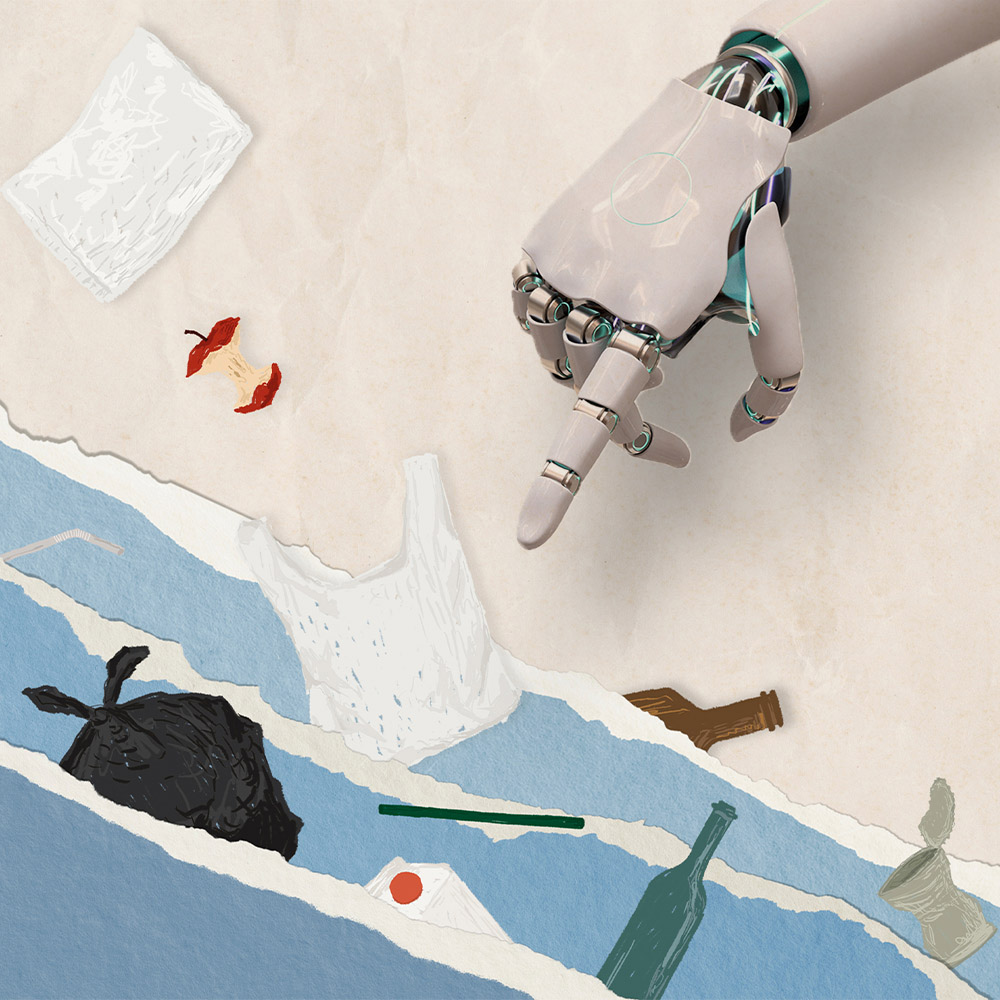
Smart robot for waste sorting
Plastic recycling rates vary greatly from country to country.For example, in Europe, his 40% of packaging plastic is recycled and the target is 50% by mid-decade.
In addition, among these figures there are plastics, such as bags and soft plastics, which have an even lower percentage. In this case, this figure could drop as low as 9-10%, as in Australia.No wonder this country exists Innovative recycling experiments with robots We can sort these kinds of plastics.
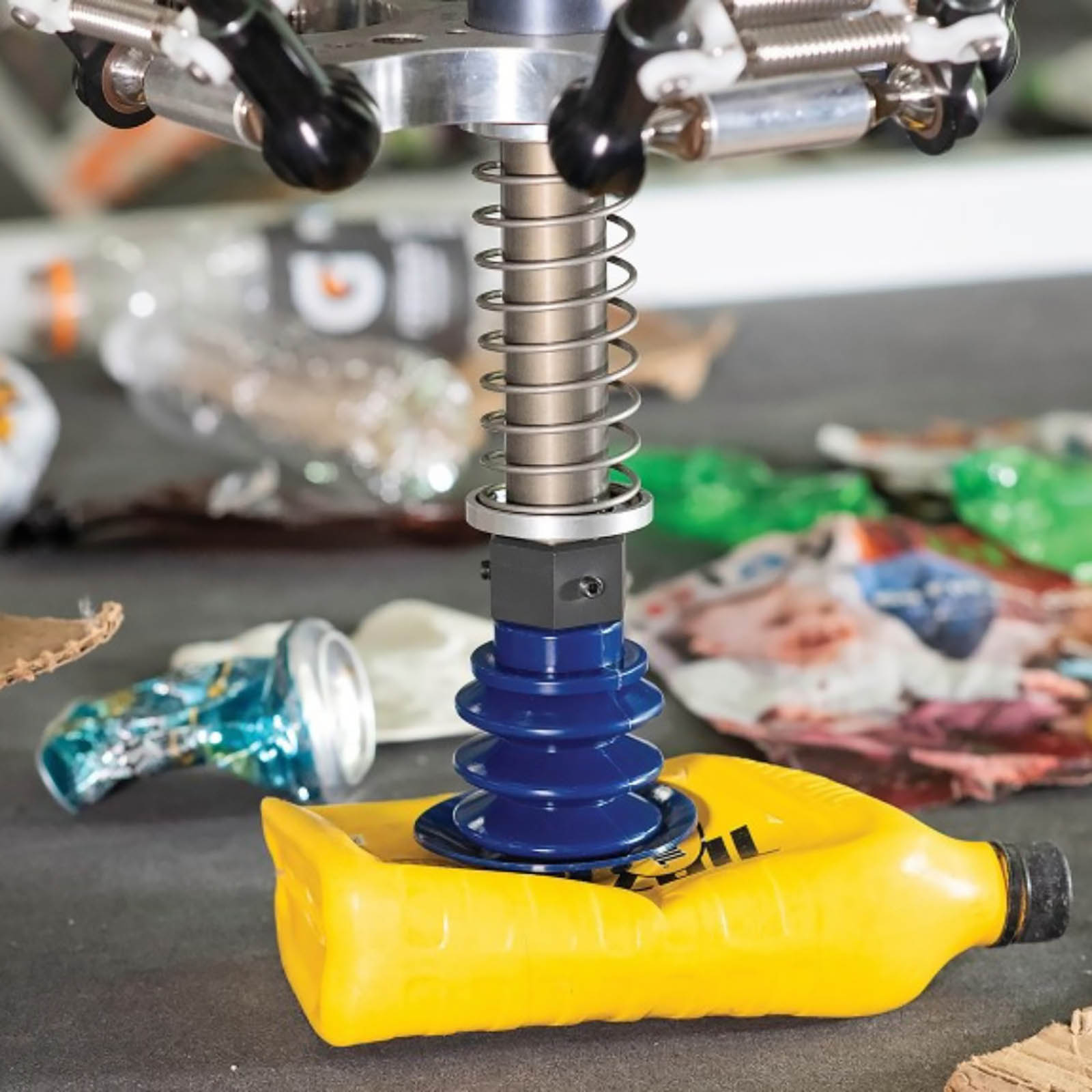
Plastic from packaging often gets jammed or caught in machines. manual sorting processThese are slow and potentially insecure. Now, researchers at the University of Sydney have embarked on a new project that combines these. Robotics, artificial intelligence, computer vision.
Thanks to these technologies, robots can Learn to spot soft plastic Remove them from the conveyor belt. This innovative recycling aims to convert soft plastics into raw materials such as industrial oils.
However, the Australian project goes beyond processing plants and involves improving recycling practices at the source. In this way, users also contribute to improving recycling efficiency. QR code Garbage bags and mobile apps.
When the user puts certain types of waste into the bag, such as coffee capsules or plastic bags, scan bag mobile phone and labelWhen the bag arrives at the factory, the machine automatically detects the code and associated waste.
Innovative recycling with artificial intelligence
The University of Sydney robots are part of a new generation of robotic systems that optimize recycling. Many of them have sensitivity levels, such as those developed by MIT. Identify strength or weight of plastic containers.
Of course, there are also wastes such as: e-waste You can benefit from such technology. At least if a promising project comes to fruition at the University of Idaho in the United States.
In this case, in addition to assistive robot technology, they focus on software development. Smartphone type identification at a recycling plant.
The idea is to harvest precious metals from devices Automatically recognize models and components. It is based on the database 2D and 3D images on mobile phonesOnce they are identified they are automatically dismantled.
This is state-of-the-art technology used in very few factories. iPhone makers are one of the few companies using these smart robots, but they have the advantage of a smaller catalog of devices. Meanwhile, research by researchers at the University of Idaho allows: Handles hundreds of makes and modelsUltimately, recycling rates can be improved by: 10-15%.
Other companies are also applying AI to waste sorting in the construction industry. This is the case of a Danish company that will open its first fully robotized autonomous plant for processing construction waste in the summer of 2022. The robot can lift up to 4,000 30 kilograms per hour. This clearly goes beyond that. human ability.
Recycling in the future
The future of recycling is defined by a shift in philosophy in which waste becomes a resource rather than a lesser evil. And all this is complemented by reduced consumption and reuse of products and materials. In other words, The 3 Rs of the circular economyUnder this umbrella, advanced materials such as degradability bio plastic New building materials such as recycled concrete with a long service life are beginning to increase.
However, existing materials also benefit from new recycling technologies.An example is chemical recycling, Renewable energy can be used to process any plastic, regardless of its origin.Instead of shredding and melting plastic, this technology rest that down to essential oilsPlastic materials are therefore infinitely recyclable.
These are very experimental plants. Of course, despite these innovative recycling systems, The best plastic is unused plastic.
sauce: University of Sydney, The Verge, https://www.bbc.com/future/article/20210510-how-to-recycle-any-plastic
