











When we ask business professionals about future office models, the following terms come up again and again. hybrid workUntil a few years ago, the choice was clear. Most work was done face-to-face, with some employees choosing to work remotely. Then came the pandemic, which accelerated the transition, but ultimately, the transformation was already underway. through digitization and technologyExamples of this are mixed reality and the metaverse, which have a greater impact on our daily work. Work will increasingly be seen as an activity rather than a place to go every day.
From the new, as pointed out in the Work & Place article post-pandemic jobs Culture to more profound movements like Industry 4.0, artificial intelligence, process automation, internationalization of work teams.
Therefore the evolution A hybrid model that combines the physical presence of employees with the possibility of working remotelyAnd this is not a distant hypothesis. According to a recent report by Glisser, his two-thirds of the top companies in his FTSE 100 index in the US are already using hybrid ways of working. Technology plays a key role here.
This article will cover:
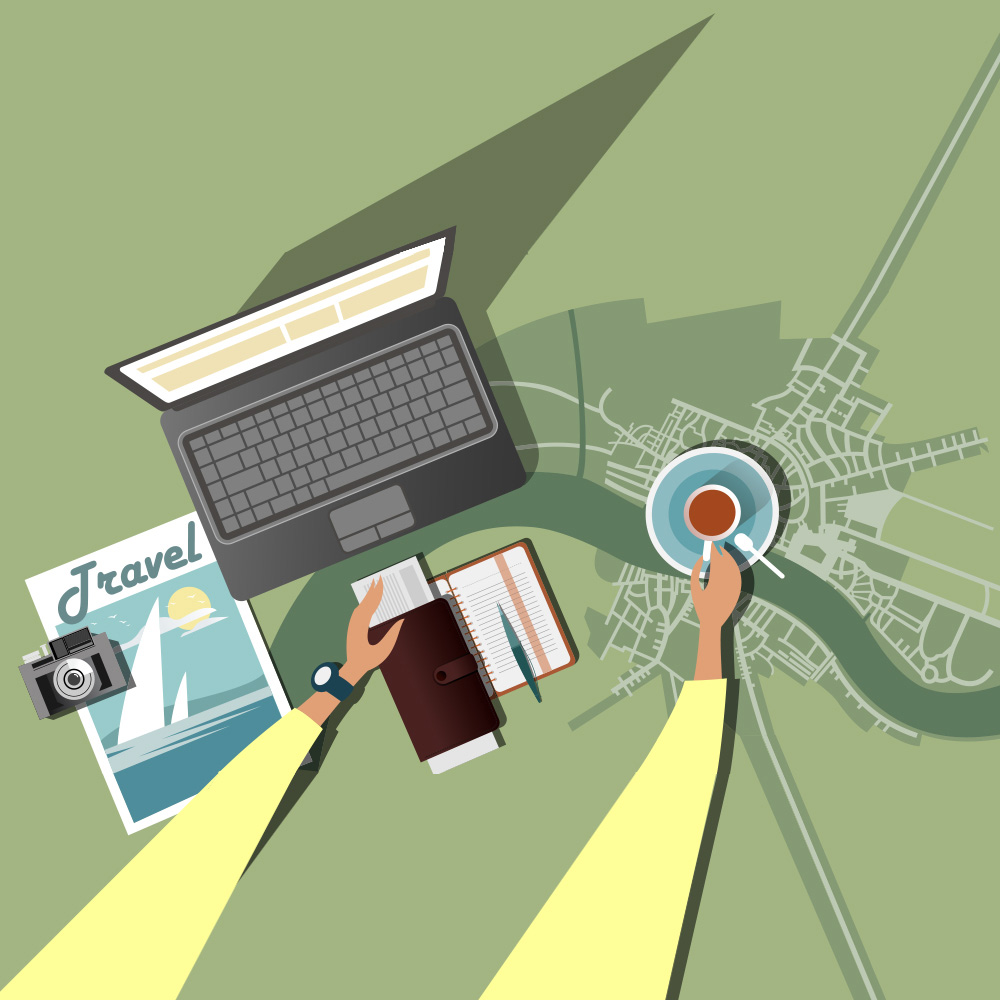
The office of the future will blur the lines between physical and virtual
In the office world, it was a matter of being there or not. However, technological innovations are changing the very concept of presence. Video conferencing is here to stay, but it goes beyond the webcam on your home laptop. According to Google Outlook, Video conferencing coexists with face-to-face meetingsCampfire is the official name they gave to this new job.
These are semi-circular modular spaces that combine vertical screens simulating the presence of online participants, albeit on an equal footing, with the presence of “flesh and blood” participants.
Another way to interpret mobility at Google is the possibility of requesting to move to another company’s office. digital nomad Brick and mortar office. Michelle Kaufmann, who is responsible for redesigning her future Google office, told The New York Times: personal desk endThe goal is to allow employees to sit anywhere and create any size meeting room they need, depending on their attendance for the day.
this idea of nomad workstation It is complemented by a system that allows the configuration of workstations to change automatically, in matters such as lighting and table height, depending on the user and their digital identity. In other words, the space accommodates the employee, not the other way around.
One of the most interesting details in this philosophy of reconfigurable offices and modular spaces is the robot that approaches your workstation and lifts a temporary wall in the event of a confidential meeting.
As we pointed out in a recent article, the Metaverse is destined to shape the office of the future.
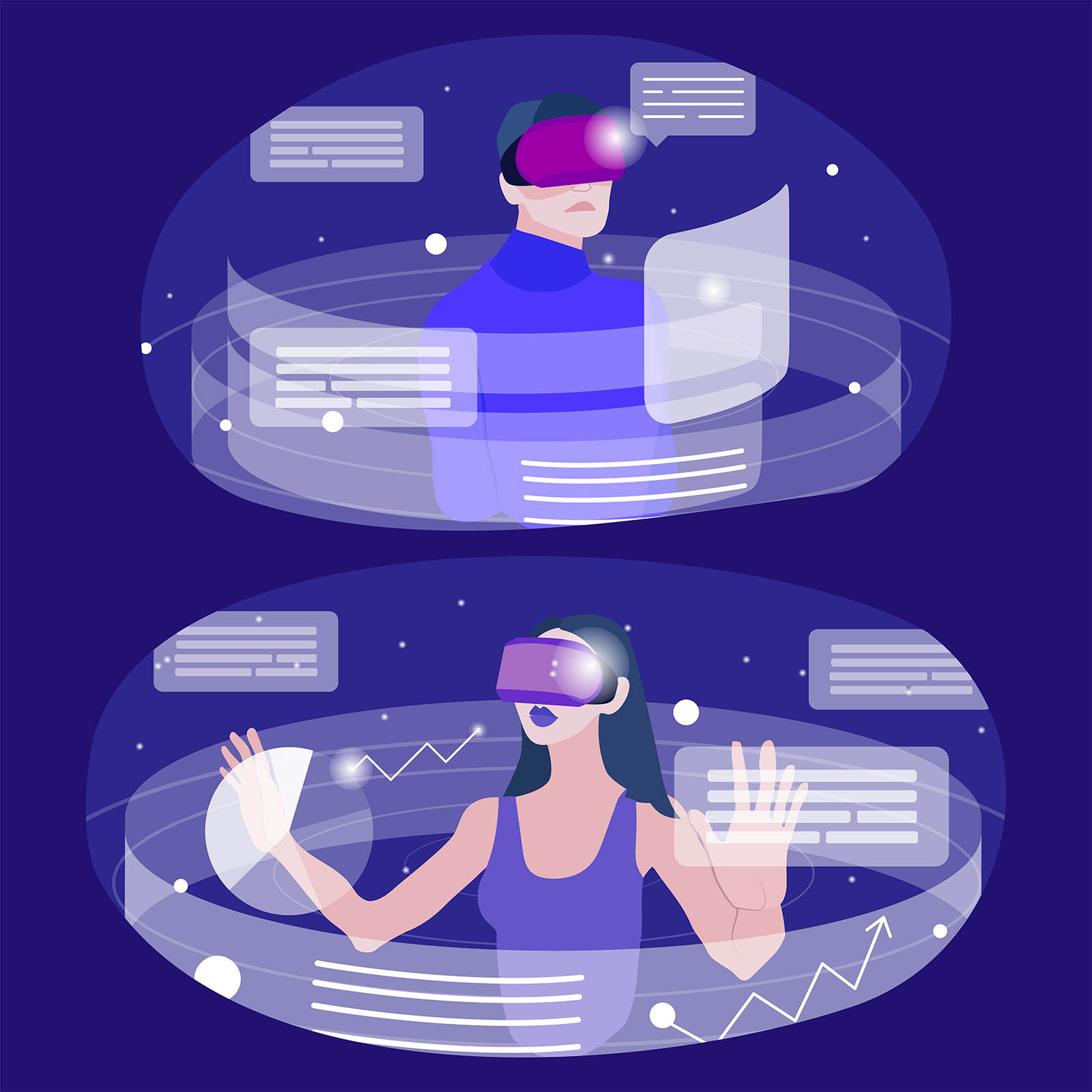
So, in addition to suggestions such as Google’s Campfire, Face-to-face team meeting with leap into metaverse Utilizing virtual or mixed reality glasses and avatars will become the norm. Similarly, industrial facilities that are thousands of kilometers away from work can be inspected without traveling.
Finally, the software also plays An important role in the transition to a hybrid modelOne example is Atmosphere, a workspace app developed by San Francisco-based company Okta.This software drives the models they dub dynamic work.
Thanks to Atmosphere, employees have unique profiles that the devices they connect to automatically adapt.they can Booking resources such as conference rooms View your colleagues’ calendars and connect to meetings held elsewhere. Initiatives like this are changing the relationship people have with their devices.
end of single device
If sharing economy models such as moto-sharing dilute the notion of car ownership, computing devices are set to do a similar revolution in the office of the future. The economy of the platform and ecosystem is employee tied to desktop The days are counted as extensions of their bodies.
Beyond devices, our work philosophy is based on digital identityEmployees transition from laptops to tablets or smartphones to office desktop computers agilely and seamlessly. We are talking about a cloud of always-on devices with technologies like 5G.
Of course, this hyper-connectivity will require new security measures to protect user information and identity. Blockchain technology will also say a lot about the office of the future.
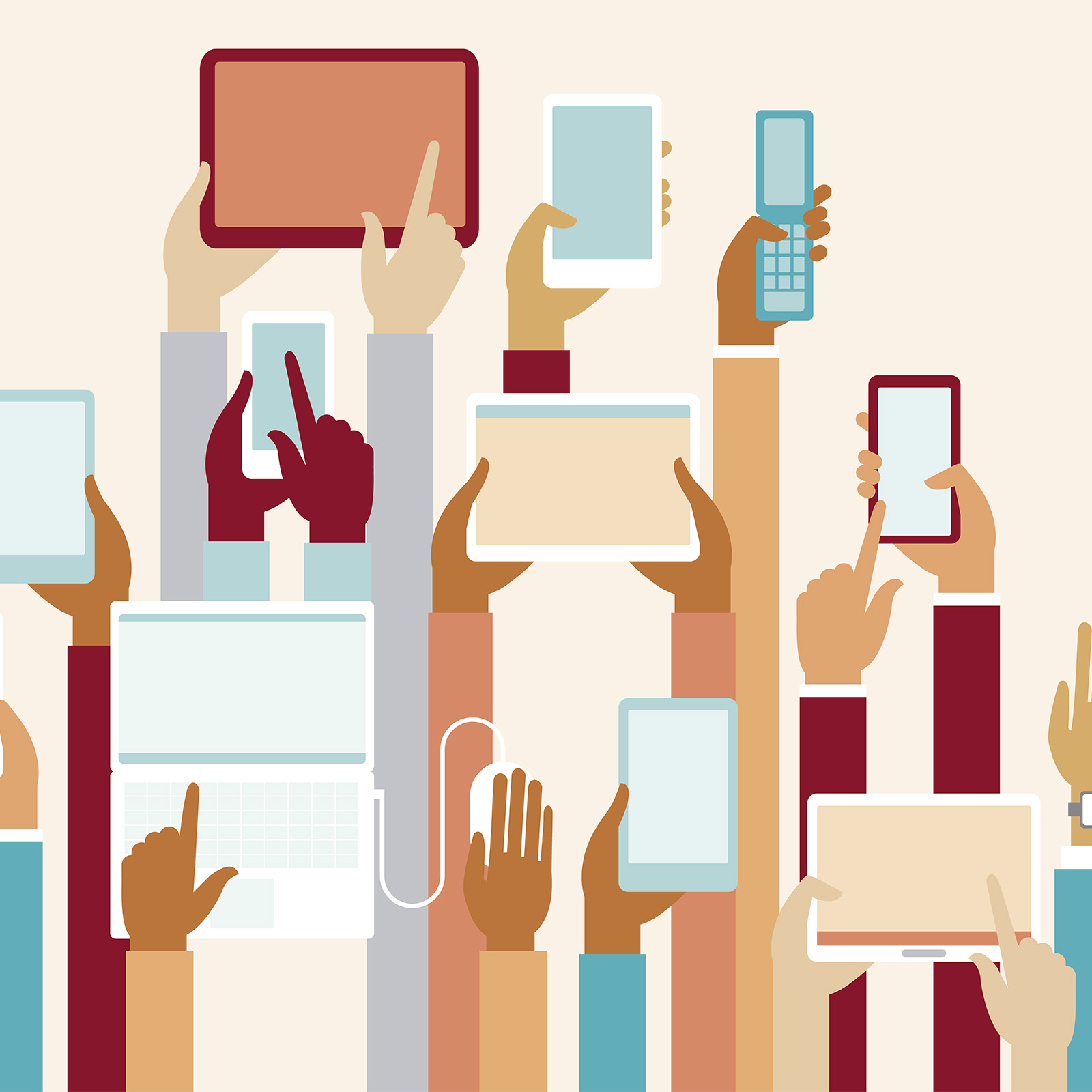
Cloud Computing: Spatial Reconfiguration
A few years ago, Server room with flashing lights and cable jungle, overseen by an IT manager, was standard in the enterprise. But those spaces and those dedicated to storing paper files suffered the same fate. moving to the cloud and paperless philosophy.
In principle, much of the storage capacity is already in the cloud, but processing power seems to experience a similar dynamic. Launched the Cloud PC operating system, which provides all the features of Of course, the first to benefit from this approach was Enterprise environment.
Therefore the space is likely to be dedicated Create a collaborative environment using technology solutions that are fully integrated into the environment Or the body itself, from screens on the wall to mixed reality glasses. In other words, user interfaces take precedence over pure hardware such as desktop computers, laptops, and printers.
In other words, the office of the future hybrid philosophy Which technology works for your employees, wherever they are and on whatever device they’re using. And most of all, it defines new ways of socializing and collaborating.
sauce: The NY Times, Wired, https://worklife.news/technology/embrace-technology-that-creates-an-inclusive-work-culture-more-companies-invest-in-comms-tech-to-facilicate -future-work/
