











The fact that terms such as PCR and antigen testing have become part of our everyday vocabulary is a reminder of the importance of early detection of pandemic viruses. One of the scientific breakthroughs to strengthen this kind of countermeasure is to combine diagnostic tests with one of the most popular preventive tools. − face mask.
The MIT Institute for Medical Engineering and Science (IMES), in collaboration with Harvard University’s WYSS Institute for Biologically Inspired Engineering, has unveiled a biosensor prototype that can be integrated into a face mask. Warn user in 90 minutes.
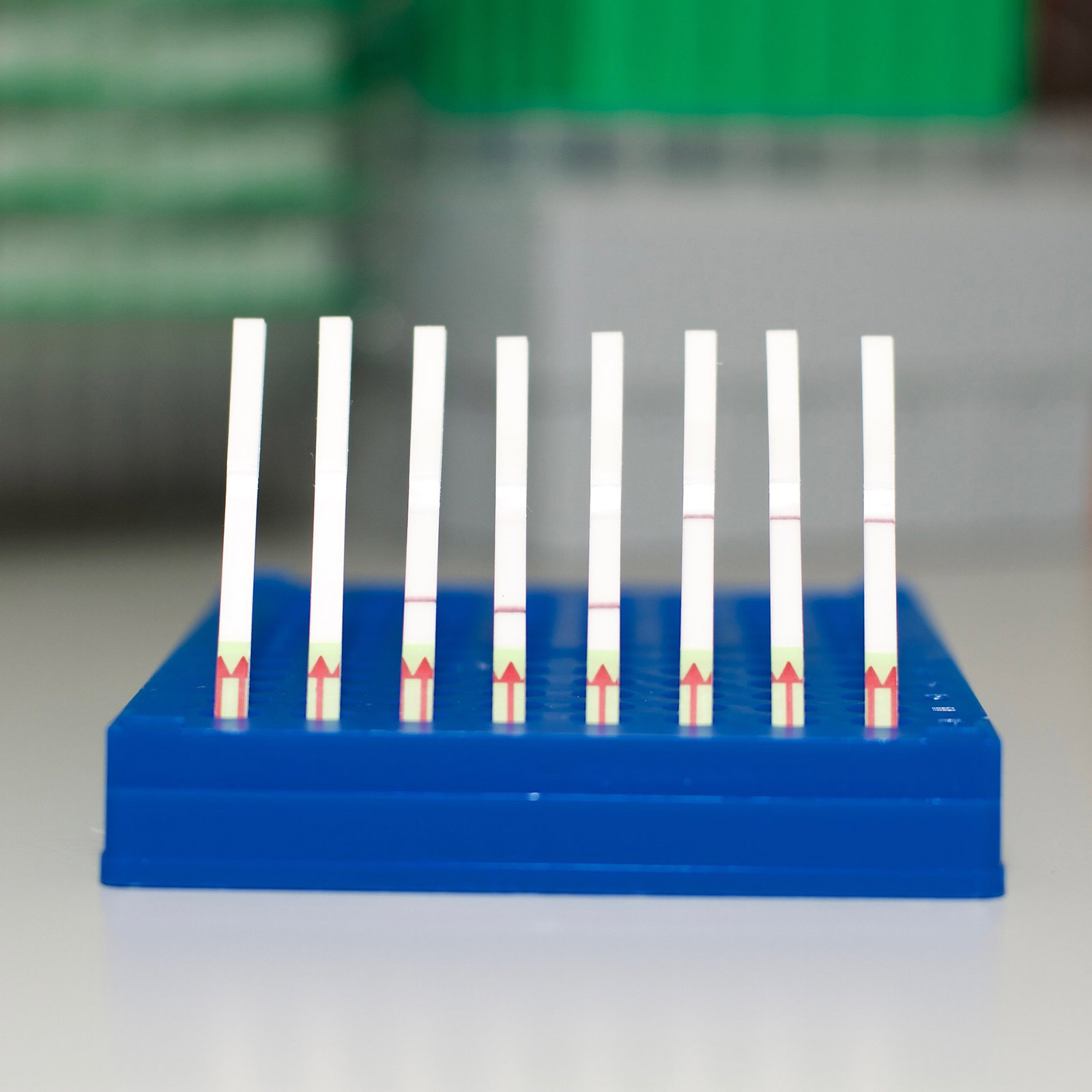
These sensors use a lyophilization technique of molecules that are activated in the presence of moisture. These molecules are change color in response to specific configurations of RNA and DNA It can be applied to a piece of paper.
Therefore, this biosensor cost effective Can be used without other diagnostic measures. But how does this coronavirus detector work?
This article contains:
How virus detection masks work
This scientific breakthrough Integrate sensor into mask fabric, especially inside. In this way only the wearer can see the results obtained and privacy is preserved.
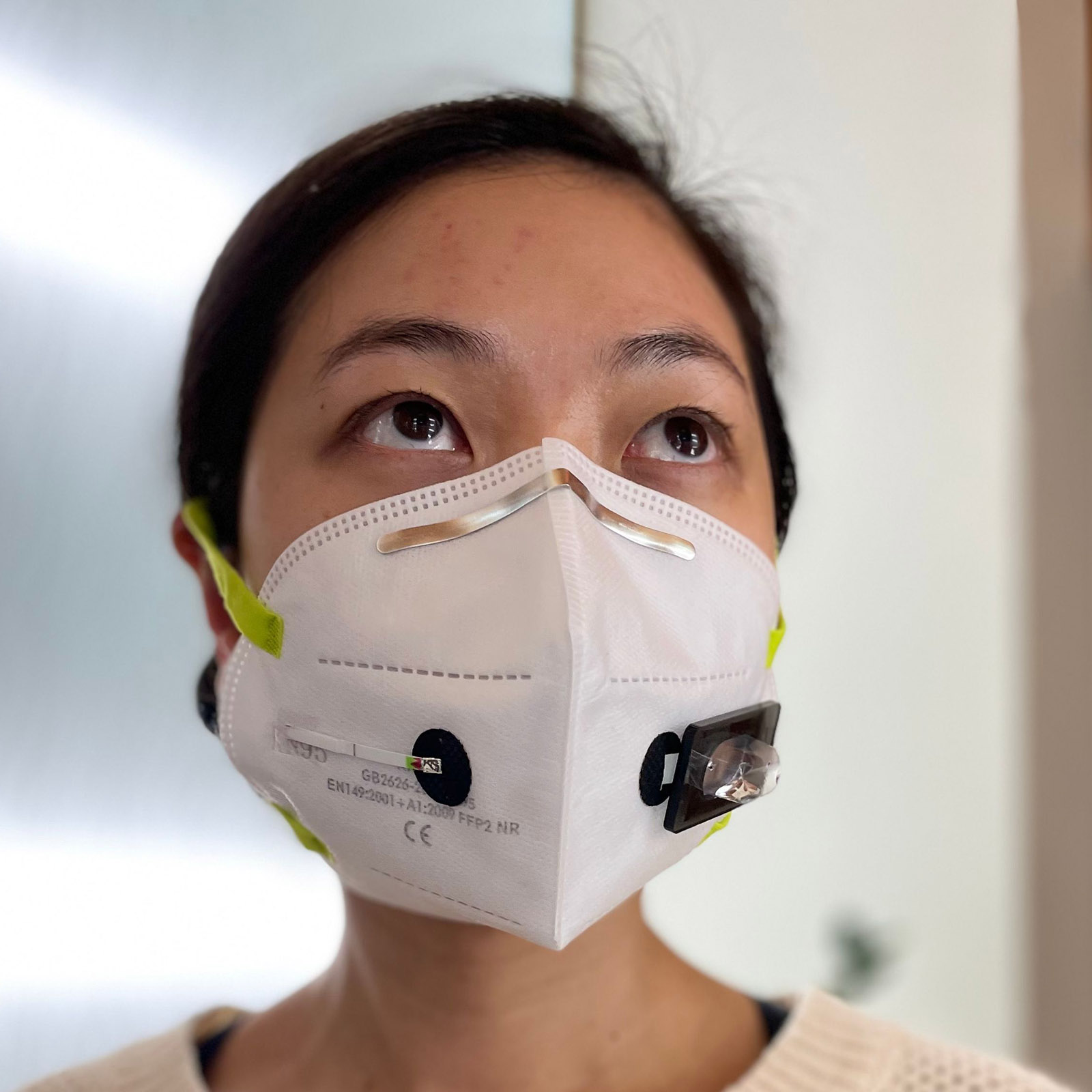
But back to the detection itself. As the wearer breathes, SARS-CoV-2 particles begin to accumulate. After a period of time, you can press the water reservoir built into the mask. At that point, the sensor rehydrates and Color changes when a virus is detected.
Technology developers say their biosensor is as accurate as a PCR test and as fast as an antigen test. If a prototype can move into full-scale production, it could represent a breakthrough in virus detection.
virus detection smart garment
In the meantime, however, MIT scientists are already working on other applications. The next step for Mask is its integration into textile materials, smart his garments and functional fabrics. Therefore, the research team aims to equip the gowns and uniforms of medical personnel and paramedics with sensors.
researchers analyzed various textile fibers Find the most effective combination of cotton, wool, polyester, etc. to incorporate the sensor.Ultimately, they Blends of polyester and other synthetic fibers.
After completing this research phase, they created a jacket 30+ sensors Integrated into the fabric area with a silicone elastomer to prevent natural evaporation. Finally, a small splash of liquid was used to mimic exposure to an infected person.
Sensors can produce a variety of signals, from visible color changes to fluorescence or luminescence signals recorded by a spectrometer.
In parallel, researchers have developed spectrometers that can be embedded in clothing and emit radio signals. Send results to your mobile device.
As a result, health professionals Know your status in real time Identify risk areas. You can then alert other members of your team to take necessary action.
Origin: Ebola and Zika detection
This scientific breakthrough is not just a matter of luck. Researchers have been studying this new generation of biosensors since 2014.
At the time, they were interested in creating low-cost sensors that could be applied to strips of paper. Detect viruses such as Ebola and ZikaOr even the presence of tumor cells.
Finally, in 2017, we launched our first sensor, codenamed SHERLOCK, which is based on the CRISPR enzyme and provides high sensitivity to nucleic acids.
This preliminary study also illustrates the high versatility of this new generation of biosensors, which also detect toxins such as nerve agents. Simply changing a piece of paper provides a completely new sensor.
Artificial intelligence to detect viruses
Besides this work at MIT and Harvard, Detect the presence of viruses being investigated. In this regard, one of the recent scientific advances in health care that has received a lot of attention is a system that combines multispectral imaging and artificial intelligence to detect viruses on surfaces. Another approach, using artificial intelligence, analyzes the user’s voice during a call, as described here.
virus removal technology
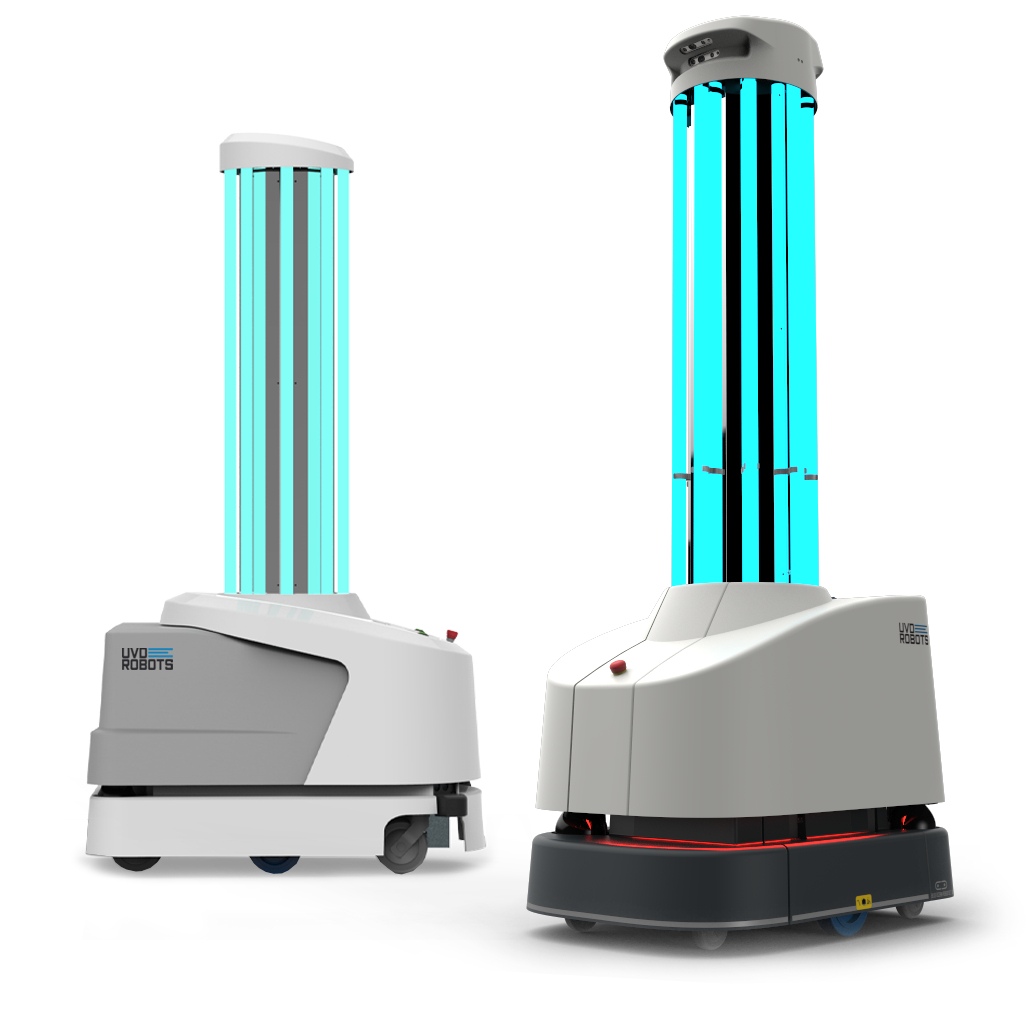
Of course, along with detection, eliminating viruses in the environment is one of the most effective ways to tackle a pandemic. Unlike some of the systems described in this article, self-driving robots that remove viruses with UV light are already patrolling hospitals.
so much European Commission I bought it 200 of these devices For EU hospitals. The last one has been sent to a hospital in Barcelona, as the commission recently announced.According to the manufacturer, this model is Sanitize your room in just 10 minutes.
sauce: MIT, https://www.bostonlobe.com/2021/06/29/business/face-mask-that-can-detect-covid-harvard-mit-researchers-have-created-technology-make-it -possible/
image: WYSS Institute
