











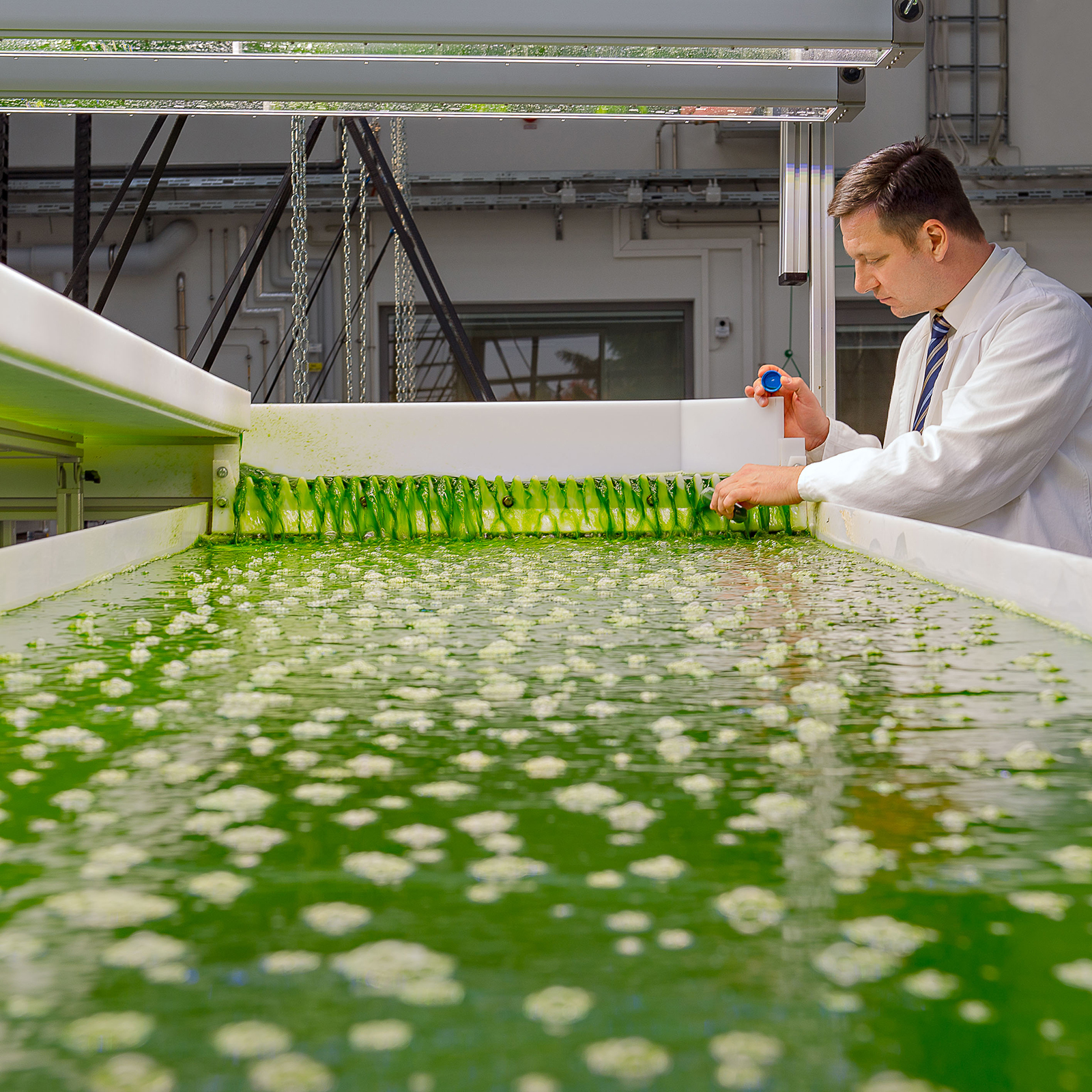
Can your manufacturing process go beyond the zero carbon footprint? The answer is yes. There are industrial production techniques that consume more carbon dioxide than they produce.A clear example of this would be the use of algae, which have a voracious appetite for carbon dioxide, along with a rapid growth rate ten times faster than their dry land counterparts. technology project A PhD from the Technical University of Munich (TUM) explores the plant’s potential in fighting climate change.Theoretically, the possibilities are nearly limitless, and new generation Seaweed-based bioplastic.
Codenamed “Green Carbon”, it is an innovative technological project founded by a German research institute aimed at developing polymer and carbon-based weight reduction. construction materials The main ingredient is algae. Algae take in carbon dioxide in the form of biomass, but they also contain sugars. One of its basic techniques is the use of yeast that can produce oil from its biomass. new plasticThe other uses enzymes to break down yeast oil molecules into glycerin and free fatty acids. It is a precursor of products such as
At a later stage of the technical project, engineers plan to develop a combination of plastic and carbon fiber. new compositeTherefore, researchers say algae may play an important role in the aviation, automotive, and cosmetic industries.
Algae, an eco-friendly alternative to palm oil
In addition to the controversy over the adverse health effects of saturated fat, palm oil has been criticized for the vast expansion of land required for its crop and subsequent deforestation. We believe algae species found in abundance throughout the Emirates can provide a solution. Technically, this is known as oleogenic properties. In this case, the substance produced is the same palmitic oil obtained from palm trees. British company Ecover, which previously relied on genetically modified varieties, has launched the first palm oil-free detergent, also based on algae.
In short, the use of algae in industrial processes would bring a double benefit, firstly because it can efficiently absorb carbon dioxide and secondly as an excellent tool to prevent deforestation. And, as we’ve seen before, their applications go far beyond these. innovative materials: Can be used as food, biofuels and even bioinspired keys Renewable energy.
sauce: Tsum, Guardian
