











3D printing is one of the most promising technologies of this century. for years, Fields such as biomedicine are putting its enormous potential into practiceBut this is not a special case. Construction is also taking advantage of 3D printingIt is even considered the best option for potentially urbanizing the surface of Mars in the future.
So 3D printing is already an integrated concept and is no longer new. However, engineers and researchers around the world are literally trying to add more dimensions, and some projects have succeeded in doing so. 3D printing is giving birth to 4D printingBut what is this about?

4D printing, the key lies in the material
4D printing is about creating intelligent objects thanks to 3D printing, but it also offers them a variable: time.that is Print works that adapt and interact with the environmentThat is, to take advantage of pre-patterned materials so that they can be placed or changed in shape autonomously without human intervention.
So the key to 4D printing is not the process based on the already familiar 3D printer, but in some cases: Can self-build and repair4D printing opens up a whole new world of possibilities in medicine, civil engineering and construction. It enables the creation of devices with the ability to react in advance to changes in temperature, pressure and humidity and adjust accordingly.
- medicine and surgery
- clothing and shoes
- Aviation and Automotive
- construction
- architecture
- Transportation and Logistics
- computer industry
Smart fabric that can automatically adjust temperature and more
For example, Georgia Tech has successfully developed a flower-like structure featuring 3D-printed petals that can adjust their shape in response to changes in temperature.For such things to happen, scientists tensegritya structural principle based on the use of separated components in compression within a fully cabled net of continuous tension. These materials, featuring previously engineered thermal structures, reacted to water at 65 °C. Despite being compressed, we were finally able to achieve the desired shape.
Based on the results obtained during the course of the project, thanks to the lightweight and durable nature of these materials, this system could transport disassembled or scaled-down structures into space, where they would acquire their final shape. I can.
But you don’t have to travel far to find one of the most promising news on the subject. Spanish engineer Raul Prido Casillas used 4D printing to develop smart fabrics for NASAThis wire mesh-like structure consists of attached silver pieces and has built-in temperature control programming. In other words, not only the shape but also the functionality of the material is printed.
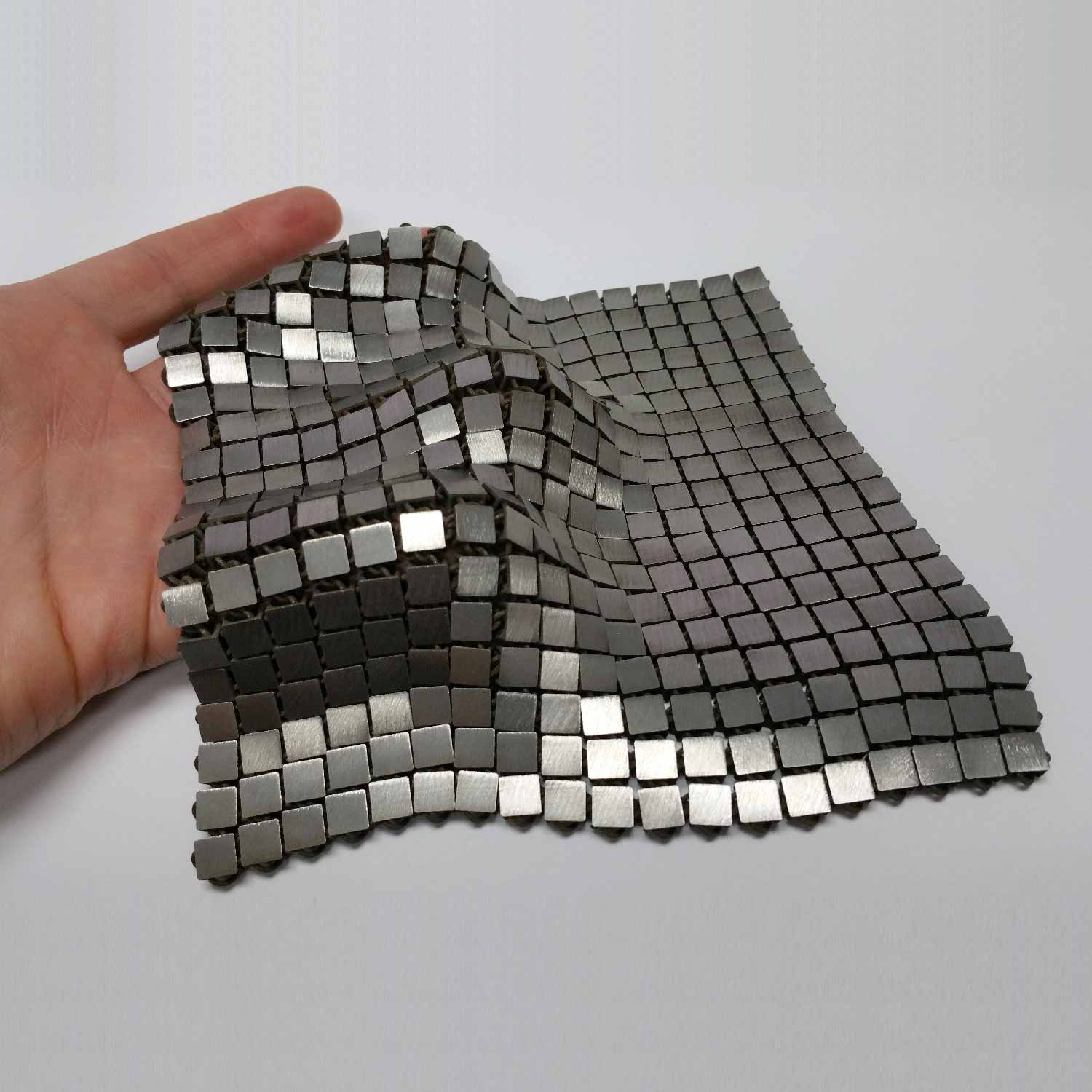
It can reflect heat outward and retain it inward, making it an ideal material for making space suits and coating spacecraft.
With breakthroughs like this, conquering the universe seems closer and closer.But we mention it while our feet are still on the ground Biomedicine is another field that will greatly benefit from 4D printing.. Vascular stents and other devices For example, one that is tailored to each patient’s needs, devised to respond to body temperature and expand in the face of cardiovascular problems, is already working.
All this, and much more. The novel adaptive properties of these materials could provide solutions for the development of fabrics that change color in response to light, surfaces that can change their permeability depending on environmental humidity, and materials with the ability to increase resistance to external forces. increase.
Fuentes: abc.es, xatakaciencia, Computer Library, La Vanguardia, RT.com
photograph: NASA/JPL-Caltech
