











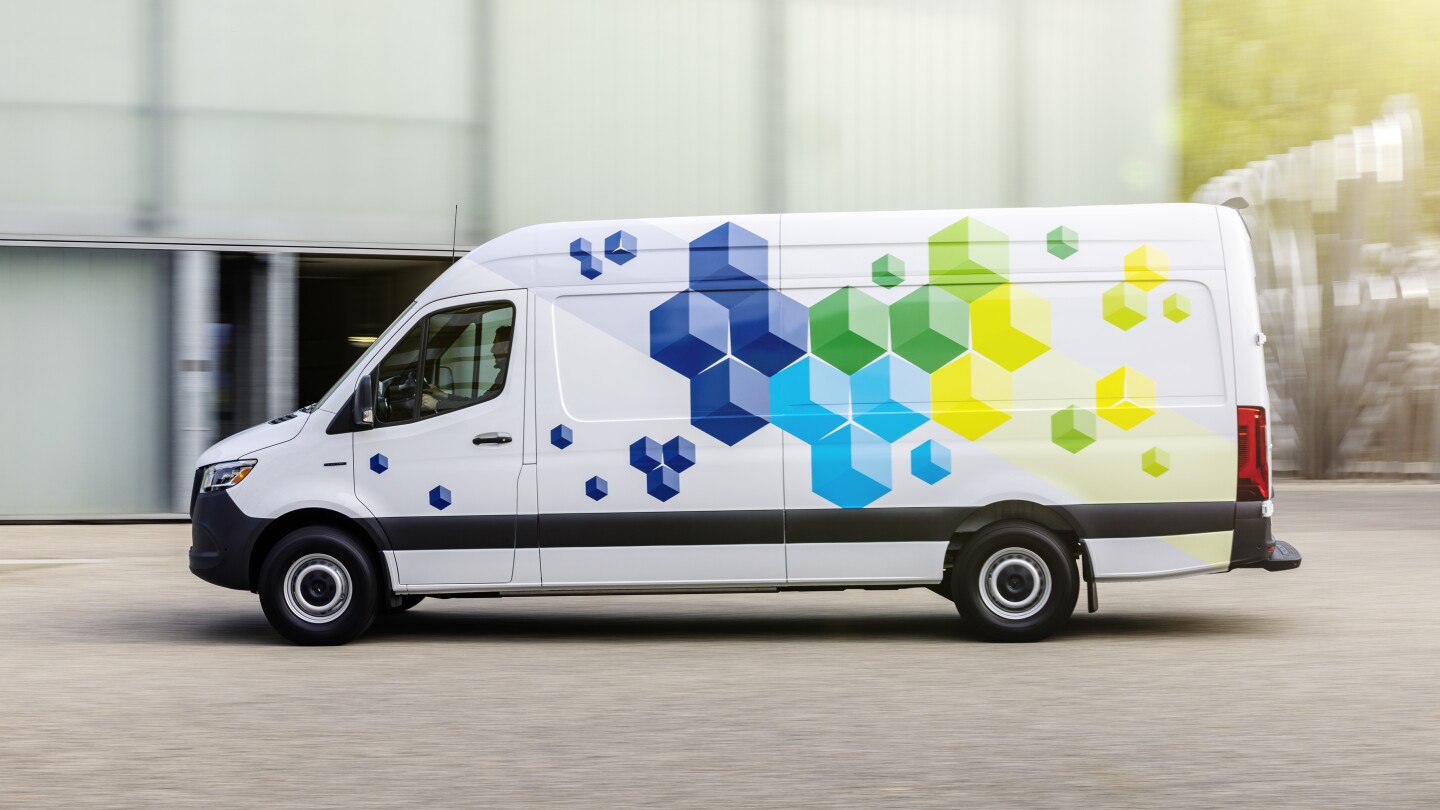
The all-new Mercedes-Benz eSprinter is coming, arriving in North America for the first time later this year, bringing up to 249 miles of electric range. Part of a plan to electrify the entire Mercedes-Benz van line-up, the new eSprinter is an attractive option for companies that need to venture outside of, as well as around, city centers, making it a more popular choice for electric campers. It promises to be a working foundation. take a long road.
Mercedes launched the original eSprinter in 2019, but did not offer it to the American market. It had a range of less than 100 miles (161 km), which in any event was insufficient for many Americans driving across city boundaries.
The new 2024 eSprinter addresses both of these shortcomings. Launched in the US and Canada before Europe, it offers market-leading range for an electric commercial van. An estimated 249 miles (400 km) is based on WLTP standards, more than double the current eSprinter’s 98 miles (158 km) WLTP ceiling. In fact, it even beats the 226 miles (363 km) range of the small EQV midsize electric MPV and the 195 miles (314 km) range of the eVito midsize commercial van.
mercedes benz van
The eSprinter’s range could take a big hit when it comes time for EPA testing, but its 113 kWh lithium iron phosphate battery is more than double the capacity of the current eSprinter’s top-of-the-line 55 kWh battery. , the 68 kWh battery from Ford E-Transit, the eSprinter’s closest American rival.
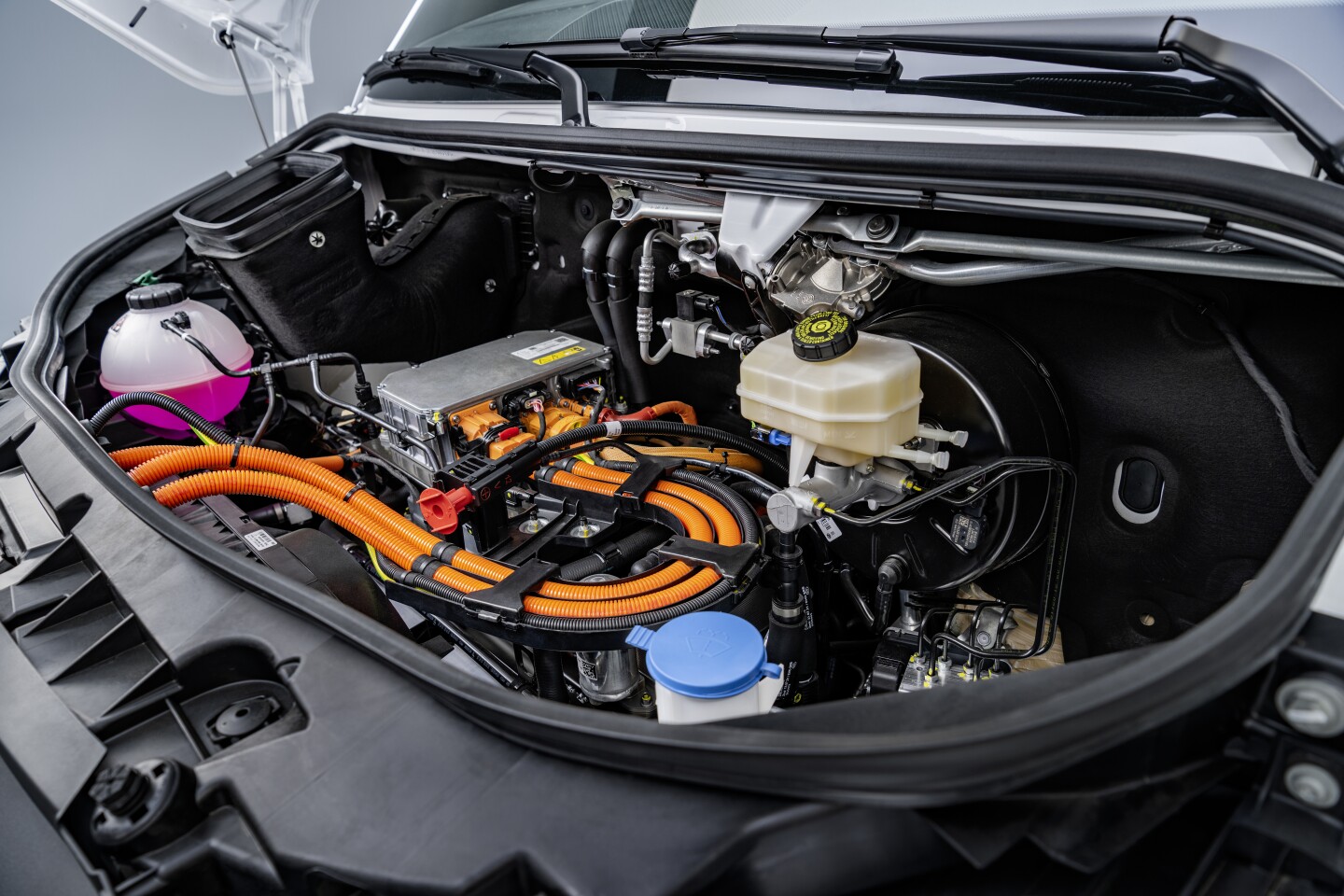
To give the eSprinter platform the flexibility it needs to meet the needs of a wide variety of fleet buyers, Mercedes has built it using a three-module architecture. The front end is designed to be uniform across all wheelbase lengths and battery size options and contains high voltage electrical components. The central module consists of the battery and housing located under the body between the axles, while the rear module consists of the electric rear axle driven by a permanent magnet synchronous motor up to 134 or 201 hp (100 or 150 kW). will be 295 lb-ft (400 Nm) of torque.
mercedes benz van
The eSprinter will be launched in North America and will offer maximum range with the largest planned 113 kWh LFP battery option. According to Mercedes estimates, this battery could jump from 10% to 80% in about 42 minutes of DC fast charging.
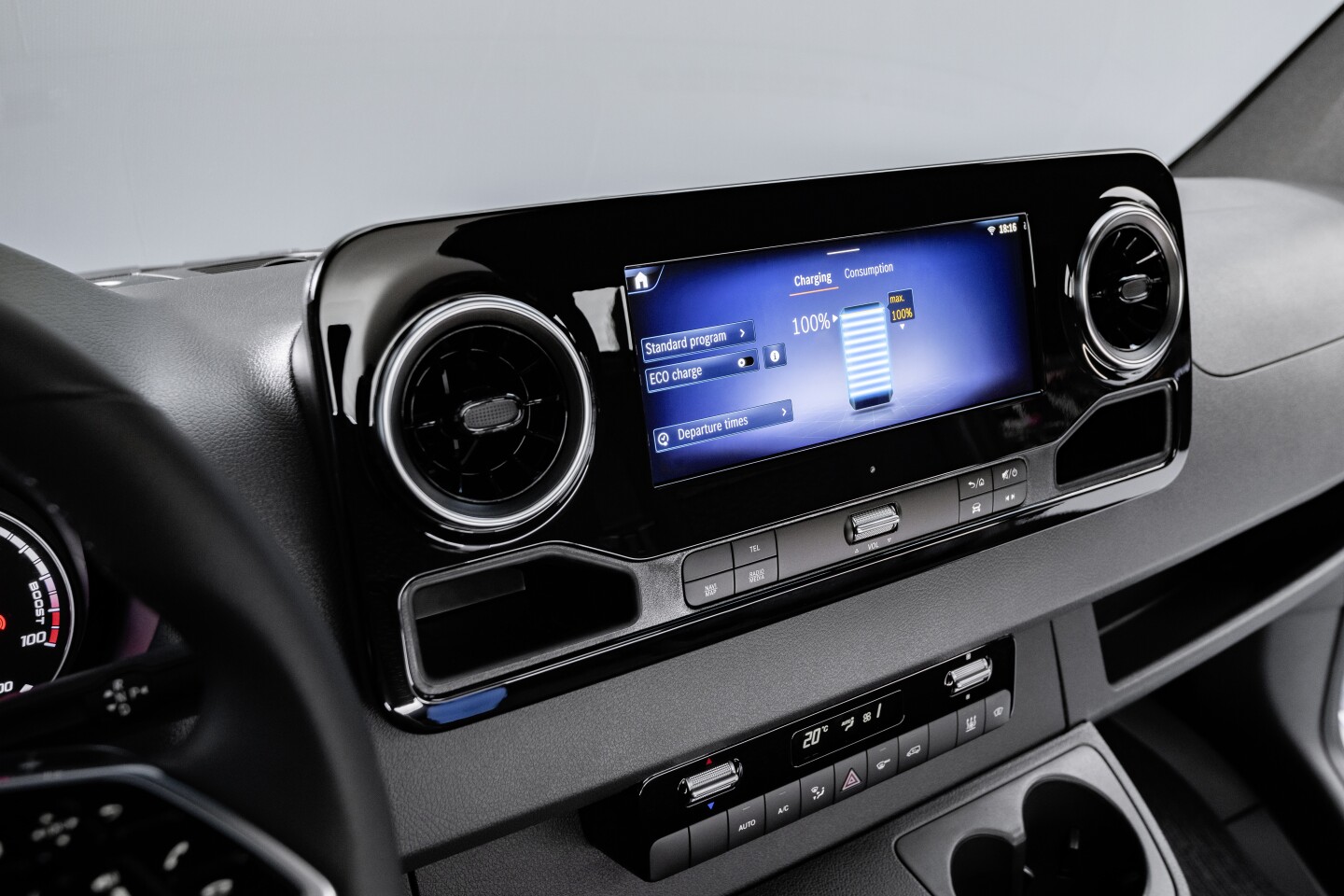
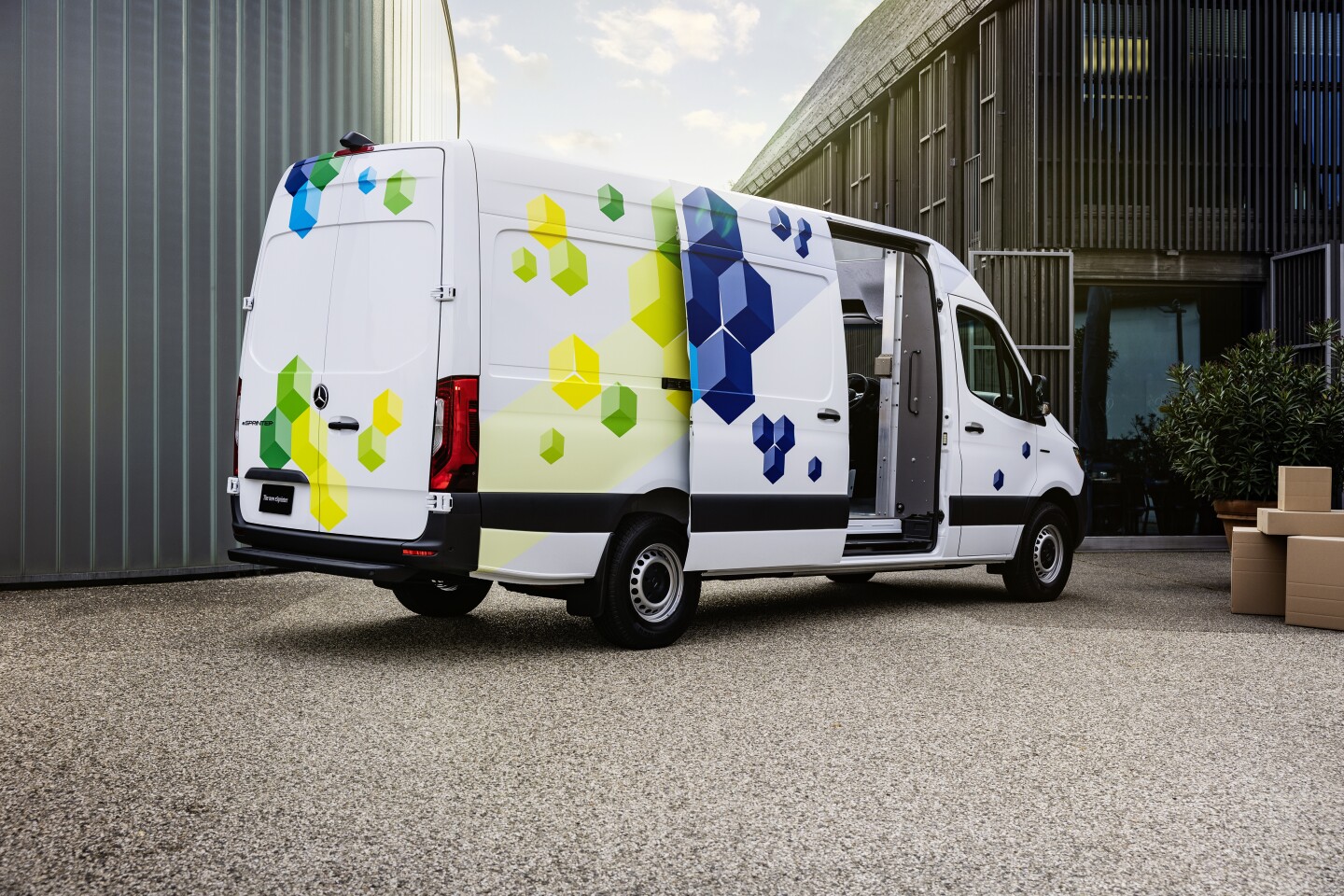
The eSprinter is available in a single 280-inch (711 cm) launch configuration with a 170-inch (432 cm) long wheelbase, high roof, 488 cubic feet (13.8 cubic meters) cargo capacity, and 9,370 9,370 cubic feet of Provided. Gross vehicle weight rating of lbs (4,250 kg). The van’s MBUX infotainment system includes the latest software and navigation with “Electric Intelligence” that estimates range based on traffic and terrain, and recommends the best places to recharge along the route. Equipped with EV-specific functions such as The new van also includes ‘Hey Mercedes’ voice control and the Mercedes Me Connect cloud service.
mercedes benz van
The new eSprinter has interesting possibilities for campervan and small camper construction. The Sprinter Van may lag far behind the Ford Transit in overall U.S. sales, but is a highly respected and preferred camper of choice for many camper makers, custom builders and DIY enthusiasts. Base option. With a much longer range than Ford E-Transit’s estimated 197 mi/317 km WLTP, the eSprinter appears to be the de facto choice for US automakers and vanlife enthusiasts looking to go electrified. (at least up to VW ID). Baz arrived.
For example, the Winnebago lineup has more Sprinter-based campers and Class C campers than Transit models. His eSprinter-based Winnebago eRV3 seems like a natural development that could add a bit of scope and prestige to the brand’s ongoing electrification project.
mercedes benz van
The US eSprinter will launch in late 2023, with a European version due by the end of the year. Mercedes has invested his 350 million euros in the new e-van. Düsseldorf; Ludwigsfelde, Germany; Mercedes didn’t release pricing information at this week’s announcement – expect it to be closer to launch.
Source: Mercedes-Benz
