











Mobile phone maker launches first products 5G handset In 2019, when these networks were still rarely seen. Today, there are already various phones that can use this technology, and their networks cover a large number of cities. 5G’s high transmission speeds and low latency are already being felt in 4K streaming and augmented reality applications. Still, much more important changes are underway than enjoying the latest shows on your phone screen.
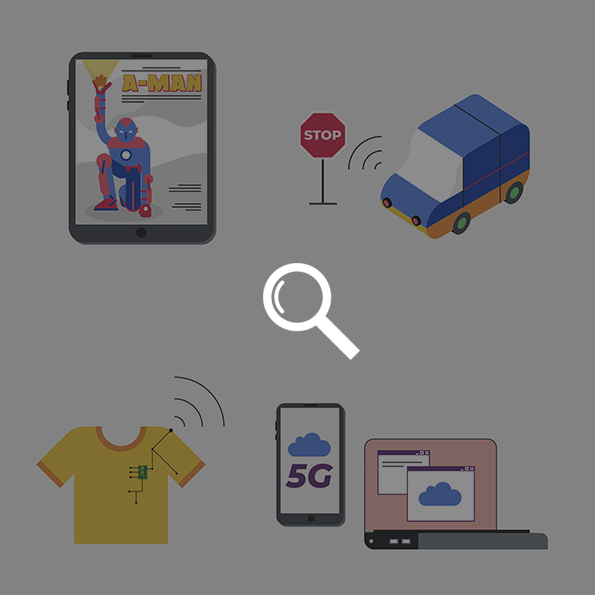
We are talking about serious changes in the city. smart city Changes in communication between devices internet of things (IoT).But also in areas such as telesurgery or inter-vehicle communication, known as Car2Car protocol.
What can you learn from this article?
What is 5G?
5G is the fifth generation of mobile connectivity. It’s been a long time since the arrival of LTE as we know it. 4G networkwas rolled out in countries like Canada in 2011. A new generation of wireless connectivitywhich builds on the foundation of the previous one and brings it down.
Difference from 4G
The main differences regarding 4G are:
- Expand your reach: To reach more users, there are 1 million nodes per km2 and network availability is expected to be near 100%.
- Faster: 5G will achieve theoretical download speeds of up to 20Gbps, 100x to 1,000x faster than the previous generation. This means you can download HD movies in seconds.
- Less consumption: 5G connectivity reduces network energy usage by up to 90%.
- Low latency: 5G reduces latency from 50 milliseconds to 1 millisecond, so data is transmitted in near-real time.
- More connected users: 5G can connect up to 100 times more users and devices than 4G networks without network saturation or downtime.
5G Key Improvements
Some specific data will help solve the problem. 4G LTE average speeds have historically ranged from 12 to 30 Mbps. In practice, this transfer speed allows you to listen to streaming songs without interruption and surf the Internet with almost no lag. 5G can achieve theoretical download speeds of up to 20GbpsThat is, 100x to 1000x faster. So, for example, you can download HD movies in seconds.
This speed, combined with a massive data transmission capacity of 10Tbps per square kilometer and a density of 1 million nodes per square kilometer. Connection latency is expected to decrease from 50 ms to 1 msThis means that the speed of response to commands from sensors and controls is almost instantaneous.
In short, 5G technology means less communication delays, faster information transfer speeds, better coverage, and the potential for millions of devices to be connected simultaneously. This is exactly one of the key points of his 5G potential beyond smartphones.
Is 5G Missing in Connected Cities?
Thanks to this speed and connection quality improvement, 5G networks will be fully “connected everything” or internet of things times. This allows us to build a true ecosystem that goes beyond smartphones and could be the missing piece of the puzzle for developing hyperconnected smart cities.
“5G networks will be the key to creating the smart city ecosystem of the future.”
5G is therefore the key Connect millions of devices simultaneously in densely populated areasAdditionally, many of these devices will be able to communicate with each other. Like a smartphone with a garage door in our home or an alarm clock with a coffee maker, ready to welcome us with freshly brewed coffee. But that’s not all.
Applications of 5G in everyday life:
When it comes to latency, voice calls over data or video calls like Skype benefit greatly as they don’t suffer from delays or dropouts. The same applies to mobile connections. With 5G, Stream movies while traveling by train With the same quality as sitting on your couch at home.
Nor will the medical sector be left behind in the innovation promised by this new standard. There is already talk about how 5G networks will work wireless medical Or even remote surgery.
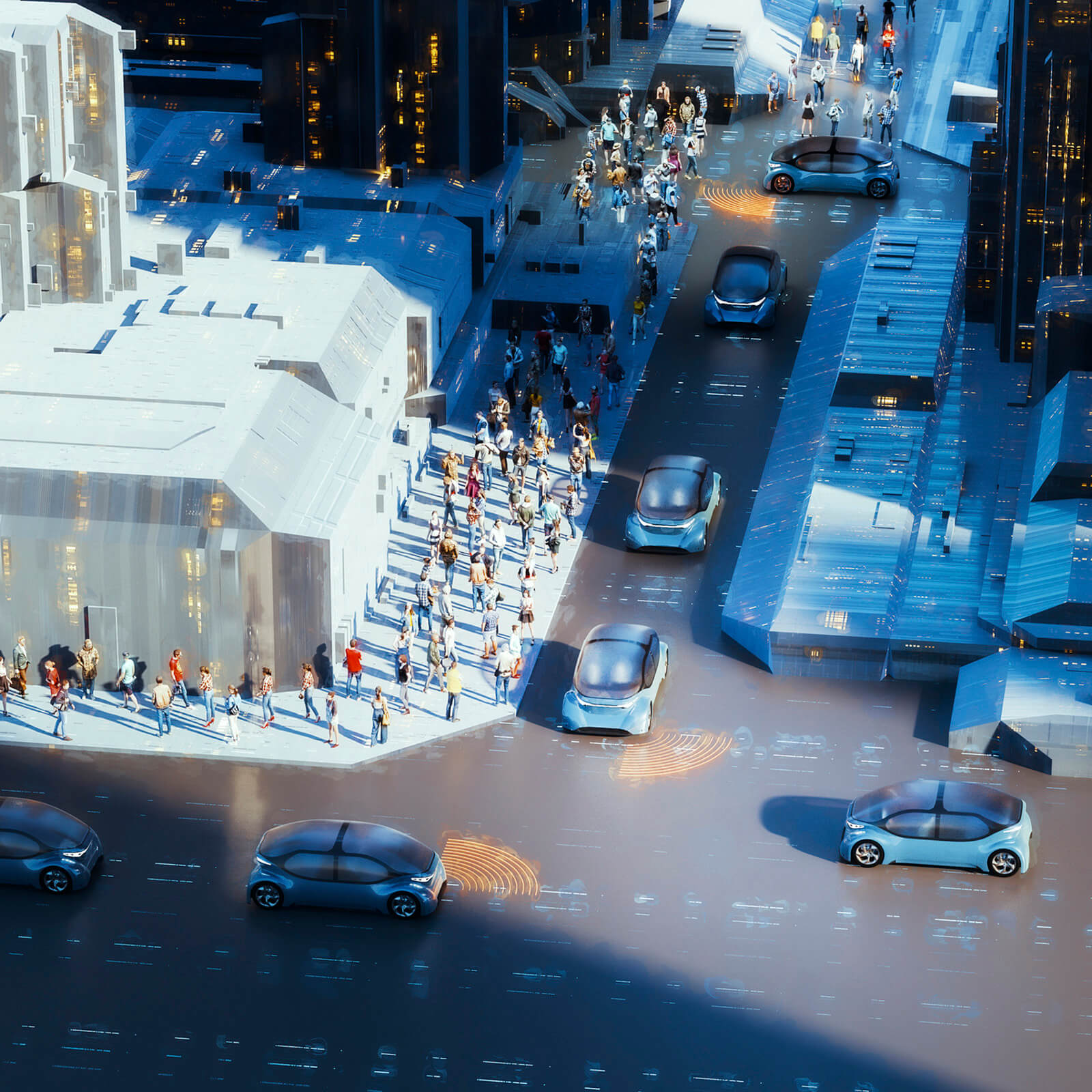
Vehicles also benefit from this advanced connectivity. Thanks to 5G, Car2Car connections will become more efficient and secure, so information about traffic conditions and accidents can be sent from one car to another in real time. For self-driving cars, this feature becomes doubly important.
the same can be said 360° virtual realityComputing is performed in the cloud, so it has the potential to take advantage of reduced latency and the ability to transmit information to create virtual environments without the use of powerful equipment.
Simply put, these are some of the current (and future) non-mobile 5G applications.
- Internet of Things (IoT) Connect millions of devices
- Apply Car2Car connection Self-driving and conventional cars
- virtual reality streaming, Reduce the need for local computing
- video conference by Holoportation
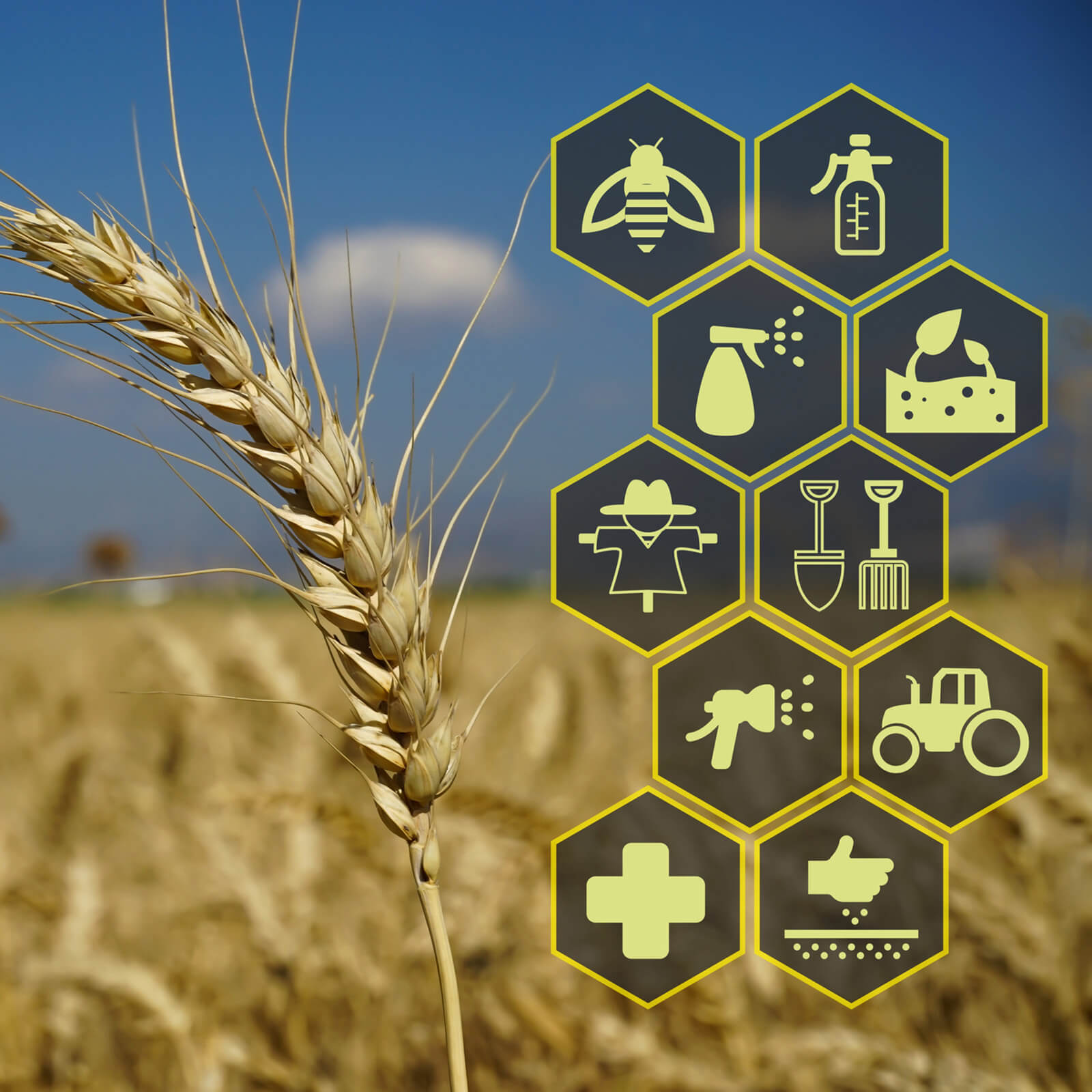
- smart farming or agtech online connection sensor
- Haptic Internet with remote Controlling devices such as drones and robots
- remote surgery, surgical robot
If you would like to learn more about this technology and its applications, please click here.
sauce: gizmodo, computer hoi, ABC, 5G-PPP
