











“Finishing printing premolars‘ may sound quite strange, but it’s a sentence that a dentist could easily say. 3D printing It has established itself not only in the construction industry and specialties such as design, but also in several medical fields. dentistry, hearing care or surgery.
There have been remarkable breakthroughs in biomedical-related additive manufacturing techniques, and for some time we have realized that their implementation could help us. improve our health, or even save lives. As an example of this, here are some practical examples that are already real:
1. Hearing aids, the most concentrated field
In the world of hearing aids, we have extensive experience in the field of 3D printing. therefore, 98% of hearing aids worldwide are already made with this technologyaccording to statistics made available at the first 3D printing event in Barcelona: (3D) inThis kind of manufacturing is more affordable, tailor-made for a better fit in the patient’s ear canal, and the manufacturing process is very fast.
Nevertheless, some researchers at Princeton University have gone further.from 3D printing of living cells and nanoparticles They were able to create something taken from a sample cell culture that introduced some cartilage tissue and a small antenna. bionic earThis could be a breakthrough project in hearing loss treatment.
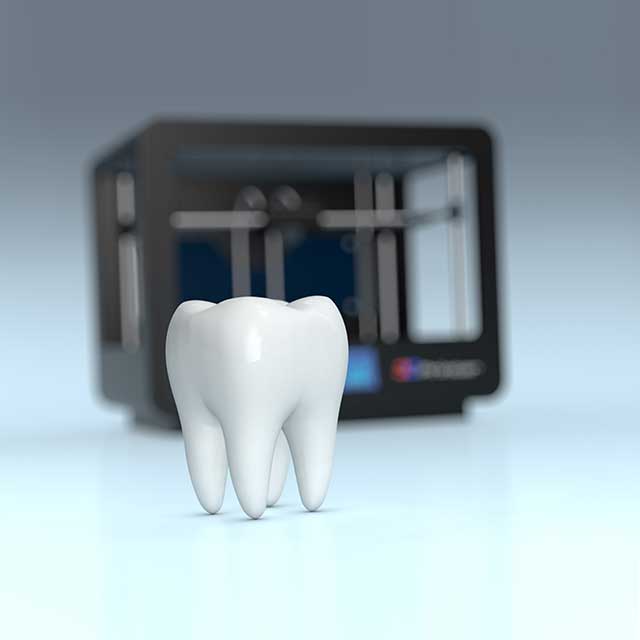
2. Dentures, a 3D-printed smile
perhaps dentistry is another area where advances in 3D printing are more tangible, with many clinics adopting it. Manufacture of crowns and prosthesesWith a simple scan of the patient’s mouth, the printer designs a tailor-made dental piece from the image, ready to wear within 24 hours.
Efforts now focus on manufacturing 3D printed dental implant Setting aside standard methods based on bone drilling and titanium screw attachment. The technique is certainly less invasive to the patient, faster and more accurate.
“3D printing is key to dentistry, hearing aids and surgery.”
3. Cast without itching
If there’s one medical area where 3D printing is accelerating its capabilities, it’s orthopedics. Bone injuries, fractures, rehabilitation… 3D scanning and printing technology gives patients access to fully calibrated and customized prostheses and orthopedic devices to their exact body measurements. Traditional elements such as casts, itches and graffiti used for broken bones will go down in history thanks to 3D designs that allow the skin to breathe when exposed to water.
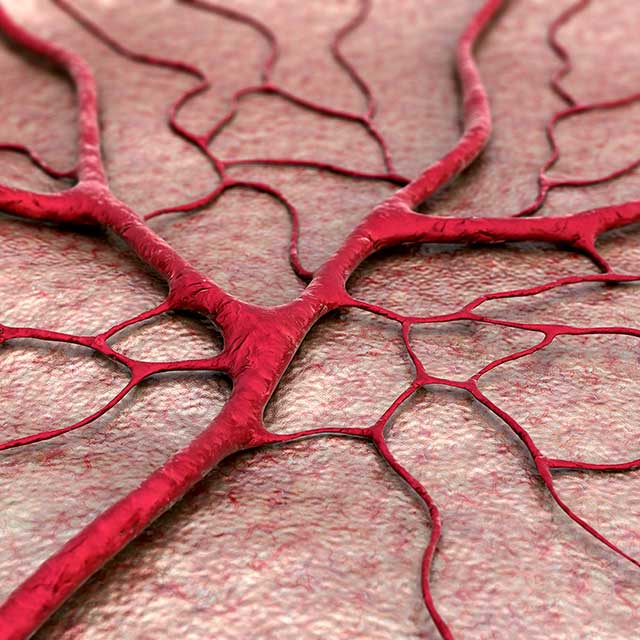
4. Bone/Muscle/Cartilage: Entry into Bioprinting
Tissue engineering is one of the most promising elements in regenerative medicine, but it has suffered many controversial ups and downs regarding ethics and code of conduct. The only fact is that a North American group of experts Viability of printed tissueAccording to their studies in animal models, the printed structures were able to regenerate tissue at a rate of over 90%. Despite being in a very early stage, this field may offer promising prospects for the biomedical field.
of Biocompatible material bone manufacturing This is where 3D printing has found great success. Her 3-year-old girl with hydrocephalus in China was implanted with a titanium skull made with this technique.
5. Surgery simulation with 3D printed organs
In clinical cases involving higher-than-usual risks, such as difficult-to-access tumor removals or risky surgical procedures, 3D printing can be an invaluable ally.a Duplication with material nearly identical to that present at the surgical site Physicians can perform simulations and life-size consultations, ultimately increasing the chances of successful surgery.
sauce: Medical Writing, El Pais, El Mundo, Imprimaria 3D, Hypertext
