












But now, researchers at the Polytechnic University of Valencia (Universitat Politècnica de València) have developed a revolutionary new method. A system of sensors that help assess corrosion levels in reinforced concrete structures, Economical and non-damaging.
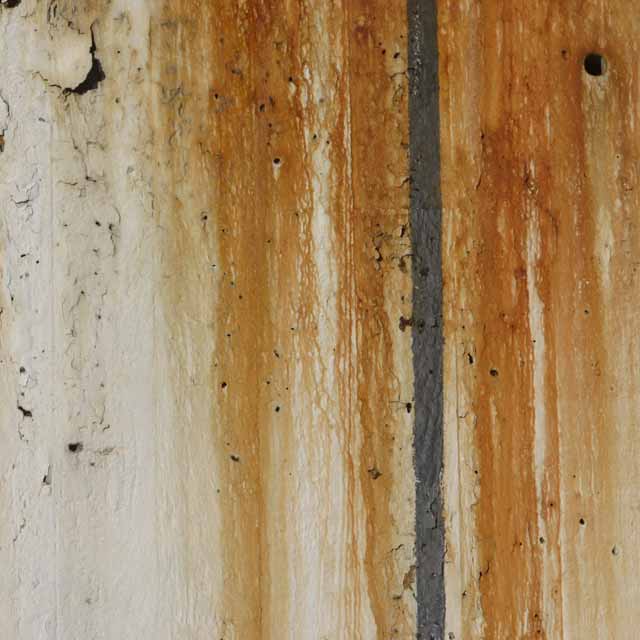
In new and old buildings alike, corrosion in the form of humidity, carbon dioxide and chlorides is a particular problem, among other external aggressors, not only adversely affecting vision but also posing safety risks. represents. A slow process that attacks the steel of structures and can cause significant structural damage. It is one of the main causes of deterioration of concrete.
Currently, procedures used to discover corrosion levels in buildings use destructive techniques, such as electrochemical analysis, on exposed areas of structures. Areas damaged by these procedures are filled with mortar.
Real-time sensors and software
The new system, patented by UPV researchers, uses low-cost sensors to It uses non-invasive methods to detect the pace and intensity of corrosion processes much earlier. In this way both response times and repair and maintenance costs are significantly reduced.
Developed by Spanish researchers, the system’s software records real-time information from each sensor that makes up the network. Data on corrosion rate and depth generate early warning alerts before damage occursThis allows engineers to plan necessary interventions in a timely manner and to know the actual state of the structure. This allows us to better guarantee the safety and quality of our buildings.
Thanks to this technology, sensors can be introduced in the most corroding areas of reinforced concrete in buildings under construction. They can also be introduced during the restoration of older buildings using non-destructive techniques so that the effects of corrosion can be monitored as well.
“Use low-cost sensors to detect the pace and intensity of corrosion processes in buildings.”
Source: Science Daily.
