











Jokingly inspired by T-1000, the shape-shifting android from Terminator 2, 3D printing takes a new dimension.
3D printers and the liquid revolution
company, Carbon 3D, actually created Revolutionary three-dimensional printing technology using liquid metal, like James Cameron’s box office character.
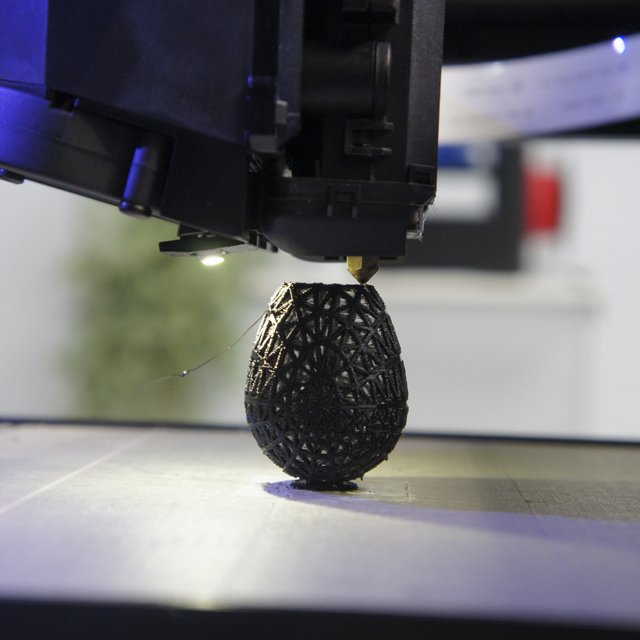
Traditional 3D printing is layered, but this new technology print without interruptionIt contains a revolutionary technology called . CLIP (Continuous Liquid Interface Production) Create forms and objects in conjunction with liquid media, Printed elements have a finer, more compact, less porous finish.
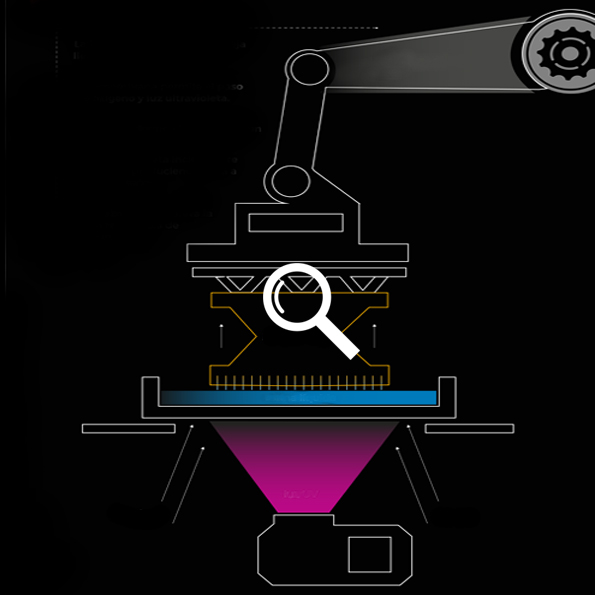
A 3D printer has a tray filled with liquid resin. At the bottom, the membrane allows oxygen and UV light to pass through.Oxygen blocks the normal resin hardening process, creating zones that do not cure. when When UV light hits the resin, the computer-designed pieces are recreated layer by layera special arm slowly lifts the piece out of the resin, allowing only the oxygen-free areas to solidify.
Faster 3D printing
CLIP technology doesn’t represent an advancement over traditional printing systems, but it does represent a significant time savings. New printers run 25x to 100x faster than first-generation 3D printers.This means you can print at speeds similar to traditional paper and ink machines.
So it is now possible to create large objects with print speeds in excess of 1 meter per hour. A complex and sophisticated structure like a miniature Eiffel Tower. However, by reducing the printing speed, The same machine was also able to produce pieces less than 1 micrometer in length. thinner than human hair.
“Liquid metal makes our new 3D printers 📠 work up to 100 times faster😱”
A step ahead: liquid metal
Northwestern University in Illinois announced a new 3D liquid printer in development in early 2016. A 3D printer that can incorporate metal into objects.
Using a liquid made from metal powder, a university team proved it’s possible It prints faster and cheaper than lasers and electron beams. 3D metallic printing of composites and alloys now allows for a wider range of metals.
These revolutionary technologies have emerged An exciting new era in 3D printing: The era of liquid revolution.
sauce: IEEE spectrum and Gizmag.
