











Imagine the reaction if you could clean dirty or fragile surfaces without the need for chemicals. Think about the cost savings you can get by doing away with all your expensive cleaning products that are not only good for the environment. until now, Stubborn stains, stains, and gunges can only be removed using soap, disinfectants, bleach, ammonia, and hot, high-pressure water. But thanks to a new technology called StarStream, the use of such expensive chemicals may be coming to an end.
StarStream is A light stream of cold water will clean metal and glass surfaces as well as organic fabrics. We’re talking about cleaning stuck-on dirt here, from paint to oxides, spatter, and slime. All of these have traditionally been removed using chemicals, solvents and pressurized water, but can now be removed with a simple jet from a hose.
“Cleans metal, glass and living tissue with a gentle stream of cold water”
Cavitation, the secret of StarStream technology
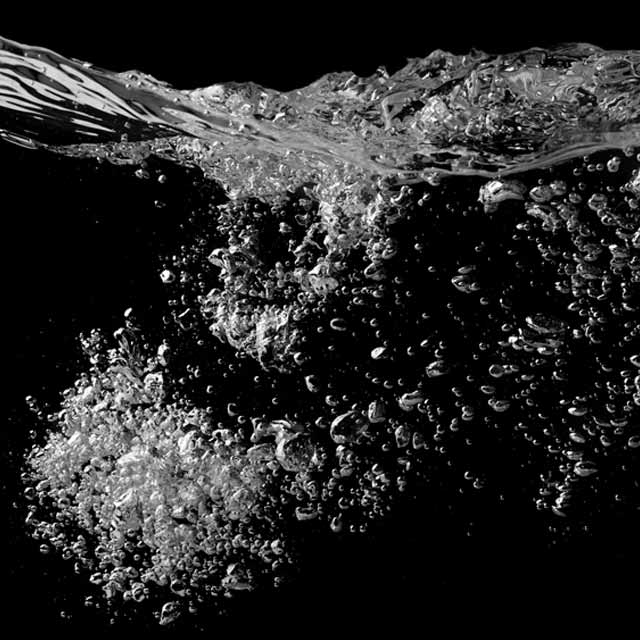
The phenomenon of cavitation is a mechanism that transforms a simple jet of water into a powerful and sustainable cleaner with bactericidal properties. A change occurs, simultaneously generating bubbles and shock waves. These shock waves mechanically dislodge dirt in front of you, whether it’s on a cloth, metal, or glass surface.
This process is very efficient in areas that are difficult to access. Other conventional cleaning techniques give poor results due to grooves, cracks, etc.In these situations, the Star Stream method reduces the need to use chemical additives or heat the water to virtually zero, saving energy in the process.
Multiple applications in different fields
Since engineers at the University of Southampton developed StarStream, the technology has been successfully tested in the street cleaning, medical and rail industries.An example is A paste made from leaves crushed on the rails by a train, can now be removed with just cold water. This is important. Because the slippery coating of leaves on the rails forces trains to slow down to run safely, resulting in losses on the order of millions of euros.
A company called Ultrawave is currently commercializing a prototype in the biosanitary space, aiming to sell 50,000 units. However, the use of this technology has only just been discovered, and many sectors will soon become interested in this device, so that it can say a definitive farewell to the use of chemicals in cleaning operations of all kinds. will be
sauce: engineer y University of Southampton.
