











It is not known exactly when the art of kirigami began, but documentary evidence dating back over 1,800 years refers to the technique. consists of chopping paper to make a representation of an object, such as snowflakes and flowers. Experts say that kirigami probably began around the same time that paper was invented in China, and surprisingly, age-old practices influence our innovations today.
Perhaps surprisingly, kirigami technology is inspiring renewable energy research at the University of Michigan in the northeastern United States. Technician at University Research Center since 2015 We have used this millennia-old art form and movement to create more efficient solar panels. This promises to be significantly cheaper than current solutions in the field.
solar panel efficiency
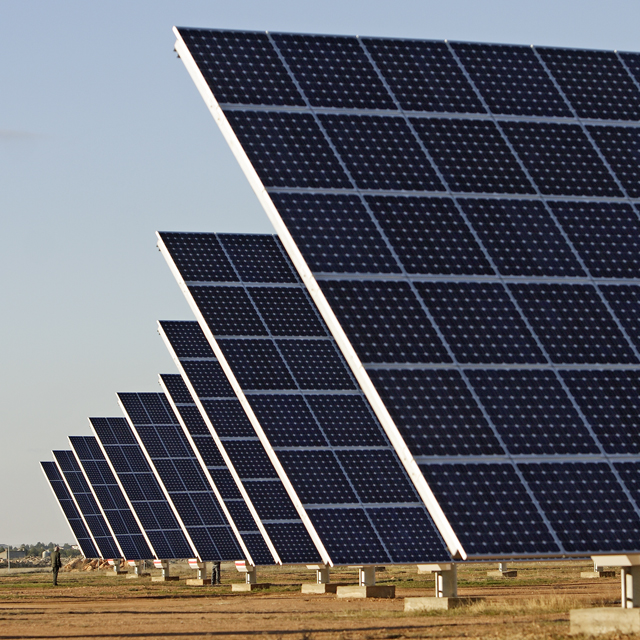
The efficiency of a solar cell depends on its position relative to the sunlight. Generates up to 40% more energy when facing the right direction. However, currently used solar tracking mechanisms consist of very heavy, cumbersome, and expensive structural components that cannot be installed on roofs or slopes.
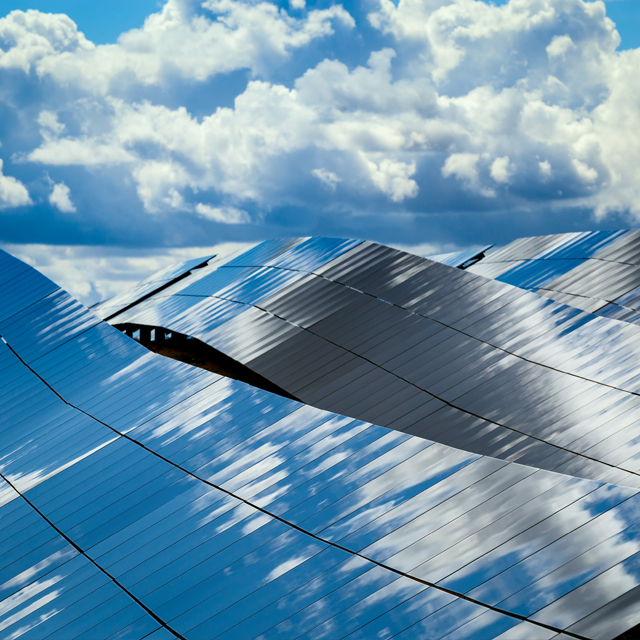
Sheet-like panels with cuts across them
Researchers have come up with a system of solar cells that mimics kirigami. It can be reshaped in the same way as paper with notches. In this way, when the sun hits it, the solar cell is programmed to split into segments and spread out, angled to the sun’s rays.

By adjusting the strength of this stretch, Solar cells bend and bend in controlled ways to improve their optical and mechanical properties., produces about the same amount of power as traditional tracking systems and up to 36% more than fixed panels. Because the changes occur on a smaller scale, the panel placement can remain the same.
The high efficiency rate achieved by the prototype makes it a simple and lightweight alternative to traditional tracking systems. Technical aspects of scalability need further research, but Potential applications could include almost any type of solar cell Can be installed on rooftop systems.
So, Futuristic advances with ancient origins Achieved to provide the world with ever more efficient technology for converting renewable energy into heat and electricity.
sauce: science daily.
More information about solar energy and photovoltaic energy
