











Calcium carbonate is an impressive combination of strength, light weight and porosity. Scientists have devised a new bacteria-based method to 3D print this material for use in applications such as bone repair and coral reef repair.
First of all, this isn’t the first time we’ve heard of 3D printing calcium carbonate objects.
A previous approach was to extrude a gel containing mineral particles and dry to harden. However, some of the resulting items were rather soft and fragile, and others shrank and cracked or changed shape as they dried.
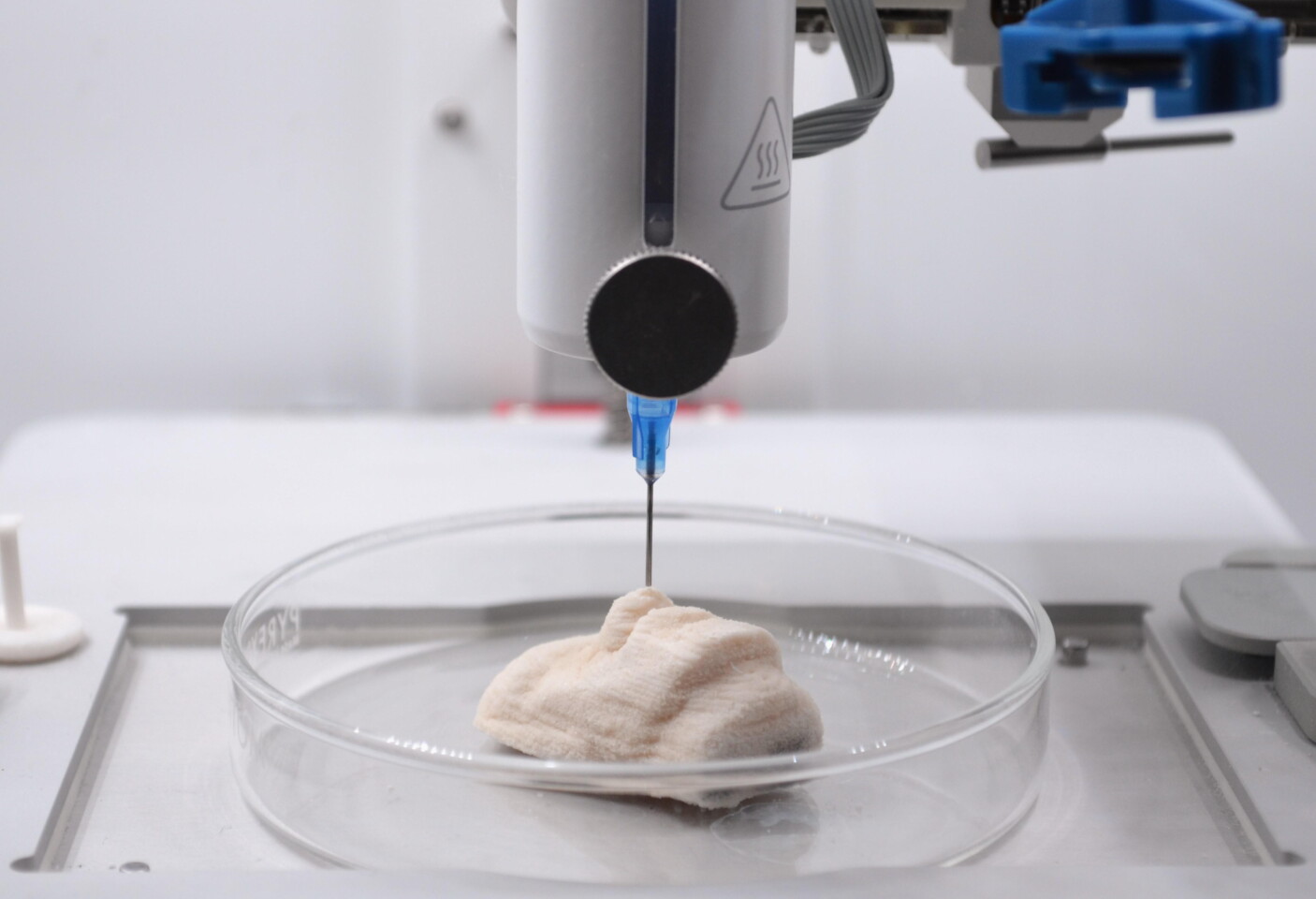
In search of a better alternative, scientists at the EPFL Institute in Switzerland Pasteuria spore load Eco-friendly polymer gel is used. This mixture, known as BactoInk, is extruded into the desired shape and forms a gelatinous object with a three-dimensional microstructure, like a scaffold for bacteria to “roost”.
The object is then exposed to a urea-containing solution. This causes the bacteria to produce hard calcium carbonate, which is eventually replaced by a soft gel. Finally, soak the item in an ethanol solution to kill the bacteria.
Eva Bauer / EPFL
In lab tests conducted so far, a finished product with over 90% calcium carbonate content was created in “about 4 days.” Both numbers are likely to improve as the technology develops further.
It is hoped that this material will one day be used in the production of artificial coral populated by coral polyps, which will turn into “real” coral when placed on damaged reefs. The material could also be extruded directly into a bone-missing injury, forming new bone to fill the void. It may be used for repair.
“The versatility of the BactoInk process, combined with the low environmental impact and superior mechanical properties of mineralized materials, provides a lightweight, load-bearing material that is closer to natural materials than today’s synthetic composites. It opens up many new possibilities for manufacturing composites,” said the associate. Professor Esther Amstad, who led the research alongside Matteo Hirsch, Lorenzo Lucherini, Ran Zhao and Alexandra Clarà Saracho.
A paper on this study was recently published in the journal Today’s material.
Source: EPFL
