











Two years ago, we first heard about Schaeffler’s free drive system, which uses a generator instead of chains and belts to propel e-bikes. The technology is now entering its first commercial use with a fleet of e-bikes built for commuting and freight transport.
Developed in partnership with two-wheel electric drive specialists Heinzmann, the Free Drive system incorporates a bottom bracket integrated generator, rear hub motor, lithium battery pack and handlebar-mounted control module.
When the rider steps on the pedal, the generator spins. In doing so, mechanical energy is converted into electrical energy and supplied to the motor. That motor converts electrical energy into mechanical energy and is used to turn the wheels.
The generator adjusts the amount of resistance the rider experiences while pedaling based on the level of pedaling force selected to maintain cruising speed. If you pedal more than you need, extra energy is stored in the battery. A regenerative braking system helps keep the battery topped up.
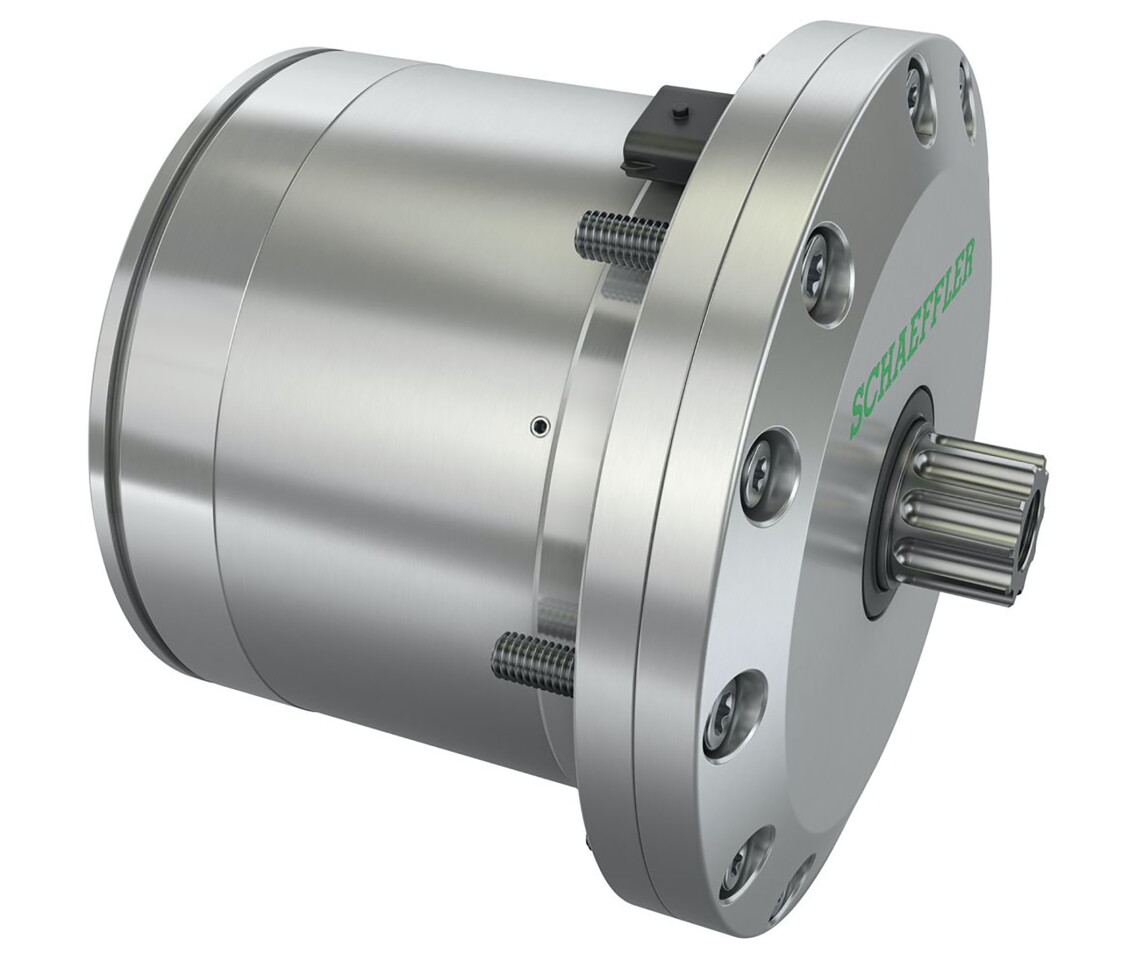
Schaeffler
Schaeffler admits that free drives are about 5% less efficient than chain drives in converting pedaling force into forward motion. It must be connected to the rear wheel via electrical wiring.
Additionally, free drives are reported to require much less maintenance than chain drives.
Schaeffler has announced the first commercial appearance of the system in the mocci Smart Pedal Vehicle manufactured by German company CIP Mobility. The latter company sells fleets of mocci ebikes to corporate clients, who use them in bike-sharing projects, city deliveries, or other applications.

CIP group
In addition to the Free Drive drivetrain, the mocci’s other features include robust integrated monocoque wheels. Recyclable polyamide frame made using a proprietary injection molding process. Built-in telemetry system. Plus multiple rack mounting points and an optional cargo trailer.
Source: Schaeffler, CIP Group via Electrek
