











In the last few days, Samsung has come under fire over allegations of falsifying the Galaxy S23 Ultra’s lunar surface photos.It all started with Redditor u/ibreakphotos I displayed a blurry image of the moon on my monitor and took a picture with my Galaxy S23 Ultra, and it captured a nice looking moon. Then outlets started picking it up and now Samsung felt the need to explain the process to the world.
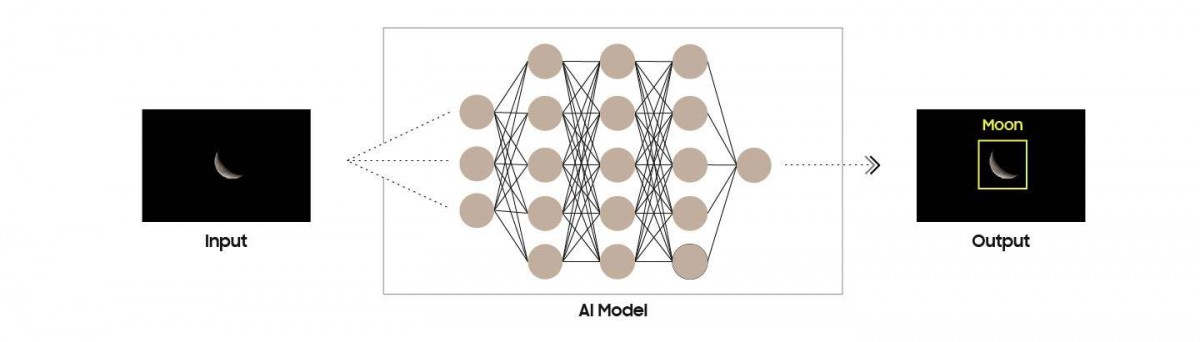
Samsung has released a detailed and technical description of how Moonshot works. The article was actually published online in Korean only for a while, but a recent controversy led to the English version being offered.Samsung used his Scene Optimizer, AI Deep Learning, and Super Resolution. I’m here. When you enable the Scene Optimizer and zoom above 25x, Moonshots kick in. An AI deep learning engine preloaded with various moon shapes and details recognizes the moon, and super-resolution applies multi-frame processing to reveal the moon.
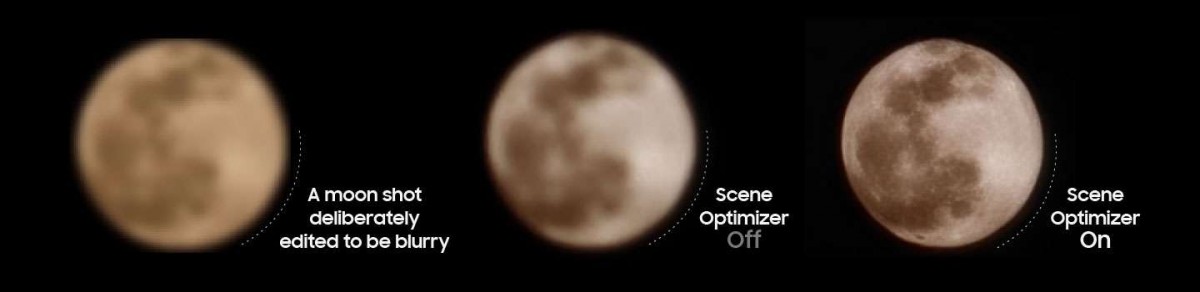
This is nothing new. Samsung has been doing the same since the Galaxy S20 Ultra premiered the ‘100x Space Zoom’, but it’s certainly not the only manufacturer using such processing.
So Samsung’s lunar photo is not technically fake, it’s enhanced using AI. In fact, rather than getting the final image from the phone’s lens or sensor, it comes from the processing engine. But really what did you expect? Getting a decent image of the Moon requires huge lenses, tripods and expensive specialized cameras.
Either way, we’ll be talking about this in the next couple of years when people forget about it again and someone brings it up again.
sauce
