











Spring glow comes before chloroplasts grow and mature
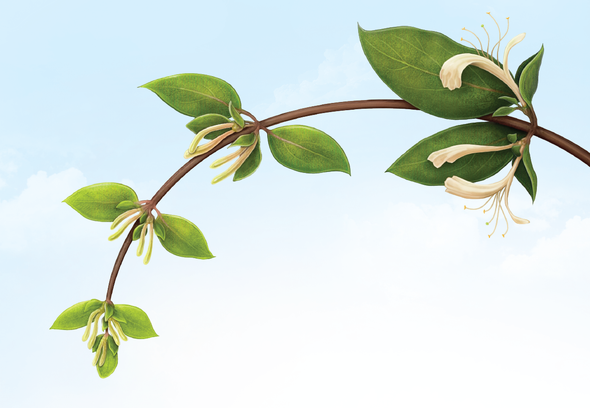
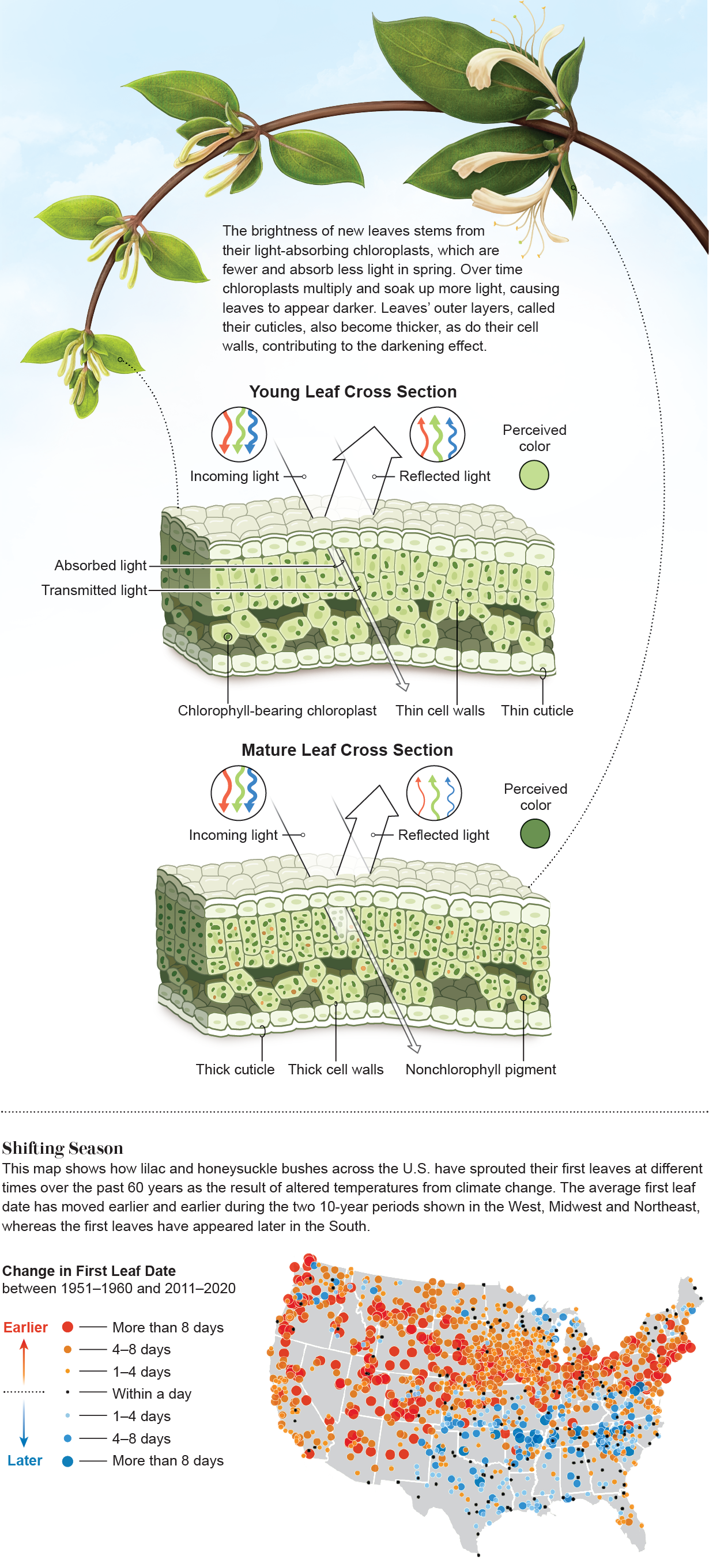
Each year the trees put on a show in the spring with bright foliage that seems to celebrate the end of winter. What makes these early leaves so bright? It is determined by the wavelengths that are absorbed and the wavelengths that are reflected. These intracellular chloroplasts convert sunlight into energy through the process of photosynthesis and tend to absorb more blue and red wavelengths and less green light. Changes in the number and maturity of plastids, as well as leaf structure, cause leaves to lighten in spring and darken later. The time it takes is the first few weeks of summer.
This article first appeared in Scientific American 328, 3, 78 (March 2023) under the title “Spring Green Science”.
doi:10.1038/scientificamerican0323-78
About the author

