











The essay below  The Conversation, an online publication covering the latest research.
As a conservation biologist who studies plastic uptake by marine wildlife, I can count on the same question whenever I publish a study.
This is one of the biggest issues in this area and no verdict has been given yet. But a recent study by the Adrift Lab, a group of Australian and international scientists studying plastic pollution, found that ingesting plastic debris has visible and chronic effects on the animals that consume it. A growing body of evidence supports that. This work represents an important step in moving from knowing that plastic is ubiquitous to diagnosing the effects of ingested plastic.
From individual to species-level effects
It is widely accepted that the world is facing a plastic pollution crisis. This deluge of long-lived debris has produced horrific pictures of dead seabirds and whales with stomachs full of plastic.
However, while consuming plastic likely killed these individual animals, it has not yet been shown that mortality directly attributable to plastic ingestion causes population-level effects on species. .
One well-known example of a pollutant that has a dramatic impact on the population is the pesticide DDT, widely used in North America in the 1950s and 1960s. DDT accumulated in the environment, including fish consumed by eagles, ospreys, and other birds. This caused the birds to lay eggs with very thin shells, which often broke in the nest.
Exposure to DDT has dramatically reduced populations of bald eagles, ospreys and other birds of prey across the United States. After the Environmental Protection Agency banned most of his DDT uses in 1972, they slowly began to recover.
Ingesting plastic can harm wildlife without causing death from starvation or intestinal obstruction. But more subtle sublethal effects, like his DDT above, can be much more far-reaching.
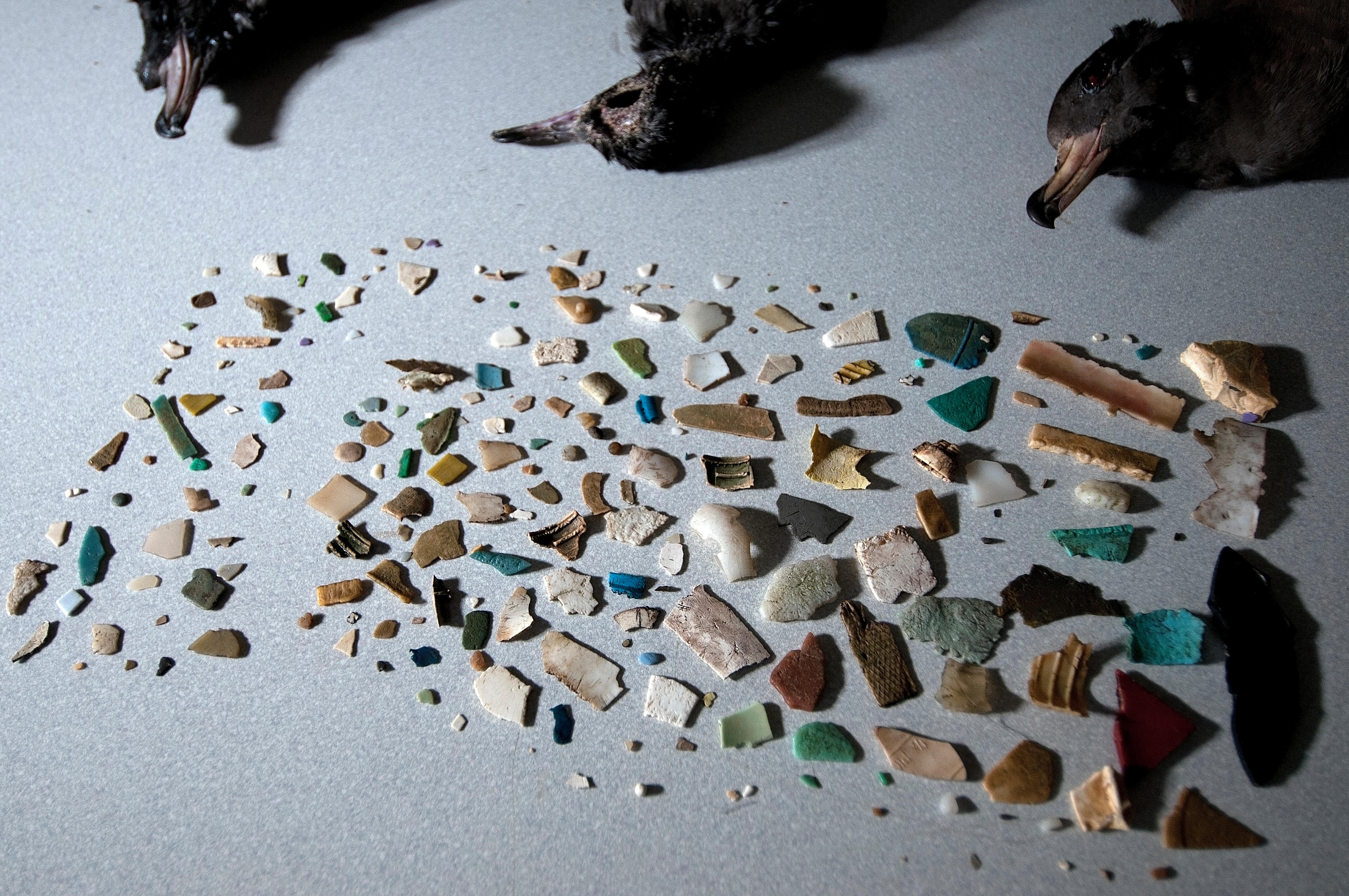
Numerous laboratory studies dating back decades have documented the chronic effects of plastic ingestion on invertebrates, mammals, birds and fish. They include behavioral changes, decreased body weight and condition, reduced feeding rates, decreased ability to produce offspring, chemical imbalances in the organism’s body, changes in gene expression, and more.
However, laboratory studies are often a poor representation of reality. Documenting invisible sublethal effects in wildlife that are definitively related to the plastic itself remains elusive. For example, a study published by my colleagues and I in 2022 found that some baleen whales were ingesting millions of microplastics per day when feeding, but there was a lot more to whale health. impact has not yet been clarified.
Seabird gastrointestinal scarring
The Adrift Lab’s research focuses on the elegant petrel (Ardenna carneipes). This is a medium-sized seabird with black plumage and a powerful hooked beak. The Institute studied shearwaters nesting on Lord Howe Island, a small landmass 6 miles long and 1 mile wide (16 square kilometers) in the Tasman Sea east of Australia.
The area has only moderate airborne plastic pollution. However, petrels, petrels, and albatrosses are part of a class known as tube-nosed seabirds, which have tubular nostrils and an excellent sense of smell. As I have discovered in my own research, tube-nosed seabirds are very adept at searching for plastic debris. In fact, the petrel’s plastic intake rate is one of the highest of any species ever studied.
Marine ecologist Jennifer Lavers, head of Adrift Lab, has been studying the consumption of plastic debris in this wild petrel population for more than a decade. In 2014, the lab began publishing studies linking ingested plastic to sublethal health effects.
In 2019, Lavers led a study describing correlations between ingested plastics and various aspects of blood chemistry. Birds that consumed more plastic had lower blood calcium levels and higher levels of cholesterol and uric acid.
In January 2023, Lavers’ group found that these petrels suffered multiple organ damage from ingesting both microplastic debris less than 1/4 inch (5 mm) in diameter and larger macroplastic particles. published a paper on These findings included the first description of the overproduction of scar tissue in the bird’s forestomach (the part of the stomach where chemical digestion occurs).
This process, known as fibrosis, indicates that the body is responding to injury or injury. In humans, fibrosis is found in the lungs of longtime smokers and people with repeated long-term exposure to asbestos. It is also found in the liver of heavy drinkers. Excessive scar tissue build-up leads to reduced organ function, and disease can enter the body through damaged organs.
A new era of plastic diseases
A recent paper from Adrift Lab takes these findings further. Researchers found a positive relationship between the amount of forestomach plastic and the degree of scarring. They concluded that ingested plastic caused scarring. This is a phenomenon they call “plasticity”.
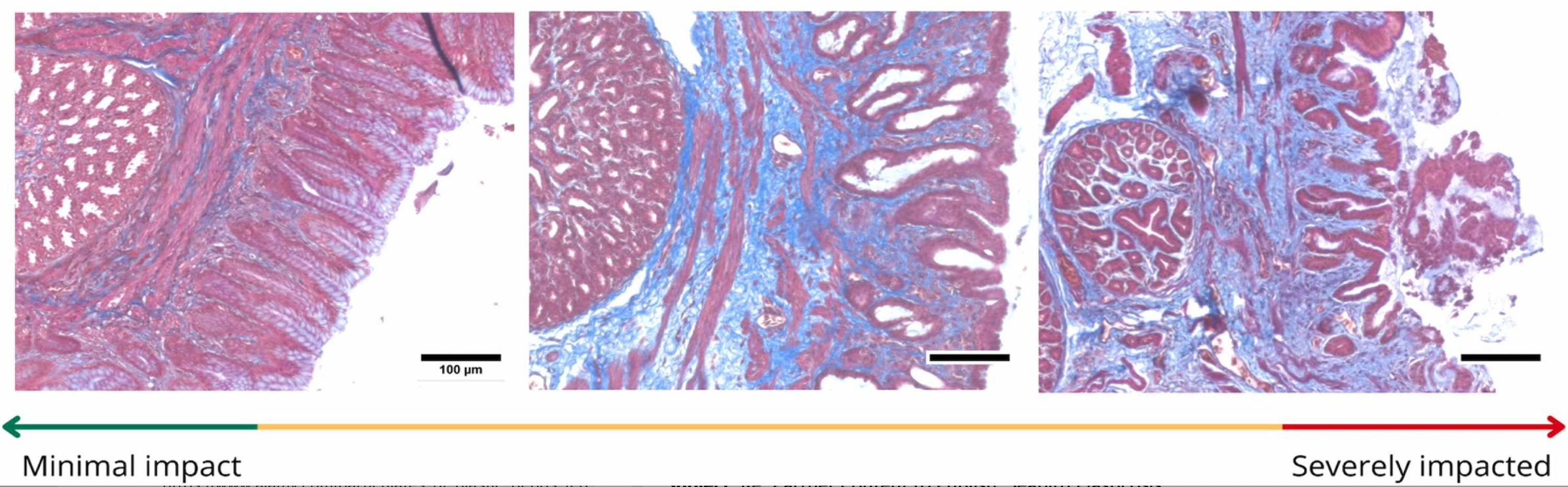
Many species of birds deliberately ingest pebbles and gravel. These collect in the gizzard (the second part of the stomach) and help the bird break down and digest food. Importantly, however, this grit, sometimes called pumice, has not been associated with fibrosis.
Scientists have observed a link between plastic ingestion and pathogenic diseases in fish. Plasticity may help explain how pathogens enter the body through a torn gastrointestinal tract.
Seabirds were the first sentinels of the potential risk that plastic poses to marine life. A 1969 study found plastic in the stomach of a young Laysan albatross (Phoebastria immutabilis) that died in Hawaii. It is therefore perhaps fitting that the first disease attributed specifically to marine plastic litter has also been described in seabirds. Their leaks into the environment could be a sign that a new age of disease is upon us.
In 2022, UN Member States voted to negotiate a global treaty to end plastic pollution, with a target completion date of 2024. Identification of plasticity in petrels shows that no time is wasted.
This article originally appeared on The Conversation. Please read the original article.
