











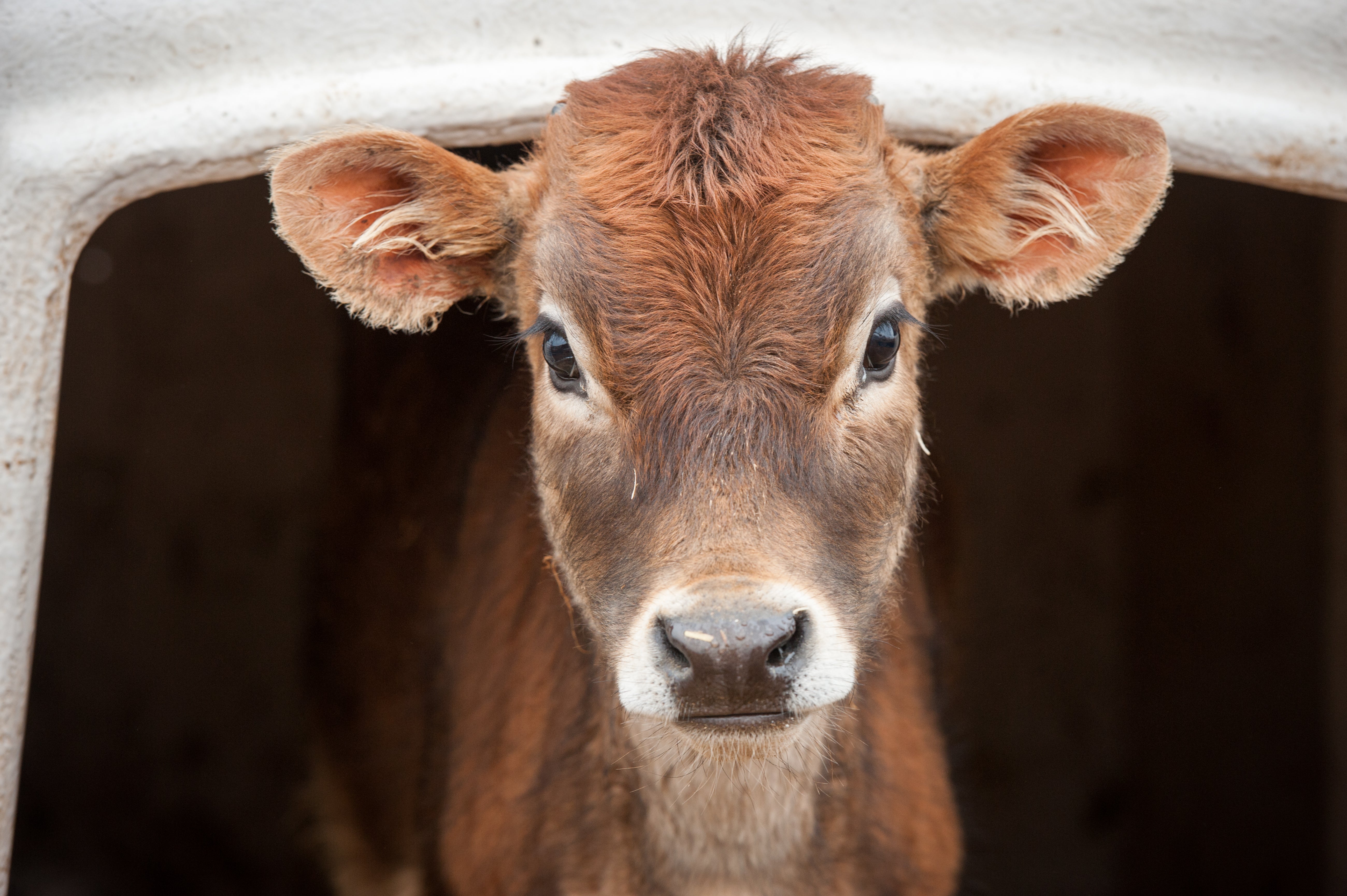
A relatively recent addition to the influenza virus alphabet, influenza D most commonly infects cattle. But experts are looking at the threat it could potentially pose to humans.
Veterinarians first identified influenza D in pigs in 2011, then sought out the virus’s primary host, cattle. Since then, scientists have been watching for signs that this bovine flu is infecting humans, as flu from birds and swine sometimes does. There are worrying signs of possible infection. If we are lucky in some key aspects, the virus could start spreading among people.
“From a scientific point of view, influenza D has everything you need to infect humans,” said Feng Li, a virologist at the University of Kentucky who helped identify the new strain. says.
Scientists have identified four influenza viruses, most of which infect humans. Influenza vaccines distributed in the United States each fall are tailored to two strains each of influenza A and influenza B. Influenza D is the most recently identified strain and the only strain not known to infect humans.
Influenza D is thought to be most prevalent in cattle. National surveys in 2014 and 2015 showed that about 75% of animals have antibodies to the virus. It appears to cause only mild cattle infections, says Mayara Maggioli, a veterinary immunologist at Oklahoma State University. “They have adapted very well.” Infected cows show symptoms not unlike the flu we know, including runny noses and eyes, increased heart and breathing rates, fevers, coughs and loss of appetite. there is. “It’s very similar to what we see in humans,” Magiori says. Experiments have shown that vaccination can protect cattle from infection, but there is no commercially available vaccine.
It is less clear whether humans can be infected with influenza D. Richard Webby, a virologist at St. Jude Children’s Research Hospital in Tennessee, said: “The data out there could go either way.” NPR reported last month on the possibility of the virus infecting humans.
Influenza D is of particular concern to some scientists, especially in confined spaces and in people with close and prolonged contact with cattle. And a recent study found hints of the virus in this population. A 2022 study found viral particles in nasal swabs of livestock workers, but the virus may exist without actively infecting humans. A 2016 study found that livestock workers carried antibodies that reacted with influenza D, but influenza C is similar enough that antibodies from the latter may also react with the former. There is, he says, Webby.
Scientists have extensive experience monitoring potential influenza spread from animals, but their efforts have focused on birds and pigs rather than cattle. have caused pandemics in humans, such as the 1918 influenza pandemic caused by viruses from birds and the 2009 swine flu pandemic. As far as scientists know, a bovine virus has never caused such havoc. Bird flu recently infected about 60 million poultry in the United States, but he was the only one to infect humans, according to the U.S. Centers for Disease Control and Prevention. , no cases of human infection have been reported.
“From an influenza perspective, cows have certainly never been really considered in spillover studies,” says Webby, although some groups are beginning to investigate human-cow interactions in more detail. said. “This is definitely an understudied interface. We need to know more about it.”
If influenza D begins to infect humans, the first sign is likely to be respiratory symptoms in livestock workers, and even studies showing a potential human immune response to the virus suggest that sick workers may Not recorded. The second key piece of information is whether people who had no direct contact with the cows started to get sick. This suggests that the virus is spreading among humans.
Even with these two developments, it is unclear whether influenza D will have dire consequences for humans, especially given its relatively mild impact on cattle. “In humans, I think we should probably be mild when it comes to disease,” Lee says. But “As we all know, you can’t predict Mother Nature.”
All 3 Experts Scientific American There is no guarantee that the virus will not eventually start infecting humans. “We absolutely have to treat it with respect. We have to learn more about it,” he says Webby. “I cannot say that there is no risk of this virus. I think that is a naive statement.”
