











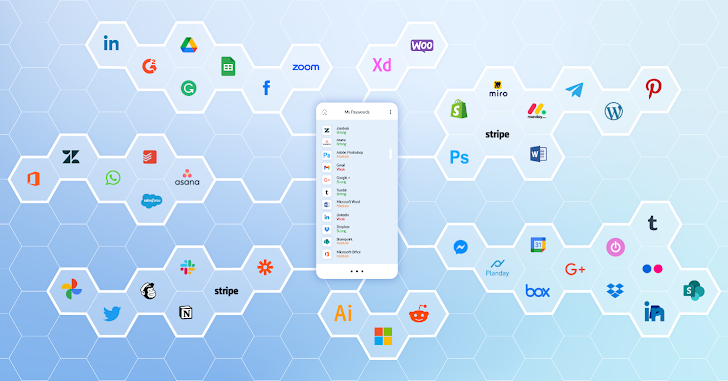
The way we work has changed dramatically in recent years. We now operate in a digital ecosystem where remote work and reliance on numerous digital tools is the norm rather than the exception. This shift, as you probably know in your own life, has brought a superhuman level of productivity that we would never want to give up. But acting fast comes at a cost. For our digital work environment, that cost is security.
Our desire for innovation, speed, and efficiency has created new and complex security challenges, all of which in one way or another revolve around the security of how resources are accessed. Effective access management therefore plays an ever more important role in ensuring the security of the modern workplace. Let’s uncover five reasons why this is the case.
Education of people about security is not working
For years we believed that educating people about cyber threats would make them more cautious online. But despite 17 years of annual Cybersecurity Awareness Month efforts, Internet users are more exposed to online threats than ever before. Why?
A shortcoming of security training is that it often fails to take into account the broader organizational culture, policies, systems, and individual nuances such as individual IT skills, understanding, age, and gender. As a result, training can cause temporary changes in behavior, but struggle to inscribe lasting changes.
Well, you can’t just give up training.
What we can do is recognize the limitations of cybersecurity education and integrate them into a broader approach that applies security solutions in areas such as access management to minimize human risk.
This type of approach is similar to safety measures in the automotive industry. We don’t train everyone to be professional drivers. It is unsustainable and difficult to scale. Instead, we build vehicles with safety measures that greatly reduce the chance (and potential consequences) of accidents.
Digitization is just progressing
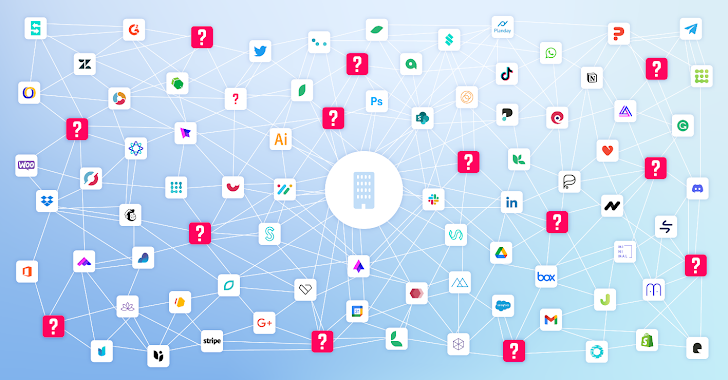
Rapid digital transformation in the modern workplace brings both benefits and challenges.with Average company uses 250+ apps Global cloud spending is projected to reach $600 billion by 2023, with unprecedented productivity gains. However, with each new app, device, and user, an organization’s digital attack surface increases.
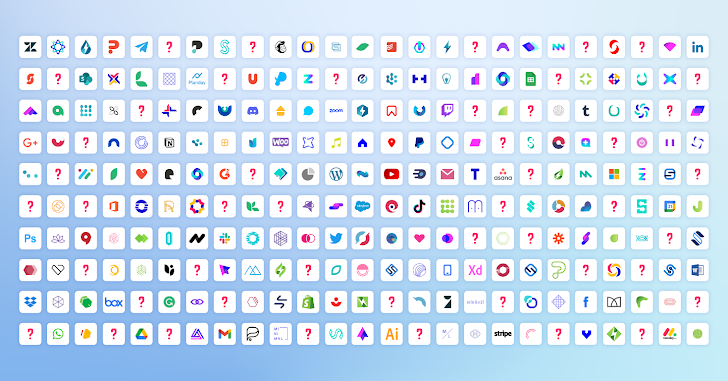
This expansion puts tremendous pressure on IT teams to maintain control of an organization’s digital assets. Ensuring that all tools are updated, all devices are secure, and all users have the correct access is a complex task.
Effective access control is paramount in this context. This helps organizations control who has access to what, protects the attack surface, and reduces the risk of unauthorized access.
Fooling humans is easier than exploiting the system
Cybersecurity is no longer limited to just protecting systems. It is also about ensuring human safety.
This shift in focus is largely driven by the rise of social engineering tactics. In social engineering tactics, cybercriminals use techniques such as phishing, pretext attacks, and decoys to manipulate individuals into revealing sensitive information. The reason for this change is simple. It’s often easier to trick people than hack systems.
Humans are creatures of habit, following predictable patterns and can be susceptible to cognitive biases. For example, we tend to be overly trusting and often seek the path of least resistance. These characteristics make us prime targets for cybercriminals who use sophisticated schemes to exploit these vulnerabilities. Inherently, our behavior is predictable, which makes us the weakest link in the cybersecurity chain.
The rapid pace of digital transformation is also adding to this problem. As we face ever-increasing amounts of information and are required to work at ever-increasing speed, we are at risk of suffering from decision fatigue. In such a pressured environment, we can let our guard down and become more vulnerable to cyberattacks.
Given these challenges, it’s clear that security solutions need to adapt to our behavior rather than relying on it. This requires implementing robust access control measures to protect against common human errors such as accidental data sharing and use of weak passwords.
Technology falls short when humans make mistakes
Even the most sophisticated security systems are not immune to critical vulnerabilities. It’s human error. But despite accounting for at least 88% of breaches, human error is an often overlooked factor that can cripple even the most advanced security systems.
This contradiction lies in the fact that while technology is evolving rapidly, our habits and behaviors have not necessarily kept pace. For example, even with an advanced security infrastructure in place, a split second of negligence, such as clicking on a suspicious link or using an insecure network, can expose the entire system to threats.
The impact of human error in cybersecurity can be compared to leaving a window wide open after carefully locking the front door. No matter how advanced and secure the lock system is, if the window is open, security measures will be meaningless. The challenge is therefore to find a solution that not only protects against external threats, but also takes into account the variability of human error.
We are living in a password pandemic
In the era of digital transformation, wepassword pandemicAs digital tools have become more embedded in our daily lives, the number of accounts, and consequently the passwords each of us must remember, has exploded.
The result is an alarming trend in which individuals have less and less control over their passwords. To combat this, it has become very common to resort to unsafe password usage, such as using the same password on multiple platforms or using passwords that are easy to guess. We are willing to sacrifice security for convenience, thereby giving cybercriminals an easy opportunity.
In addition, businesses face the daunting task of managing vast amounts of login credentials, further increasing the risk of password-related breaches. this “password fatigue‘ reveals the need for a smarter, more user-friendly approach to managing access to digital resources that can provide convenience without sacrificing security.
Deploying an access management solution is paramount
What these trends have in common is that they pose significant challenges in securing access to systems and resources.
To be fair, enterprises have been implementing traditional access control measures such as SSO for decades. Rather, what needs to change is that these solutions must be able not only to adapt to the expanding digital attack surface, but also to the unreliable nature of human actions.
The security burden no longer rests solely on the user’s awareness and intent. Organizations must take responsibility for cybersecurity. It requires equipping employees for security success by proactively enforcing safe habits through solutions that fit the way people work today.
For companies operating within Europe, the imminent implementation of the NIS2 Directive increases the urgency of these measures. Non-compliance is not an option and has serious legal and economic consequences. Therefore, implementing a robust and efficient access control system is not just an option, it is a must.
Meet modern access management needs with a modern solution
Uniqkey is a European cybersecurity company that aims to address the access challenges posed by today’s evolving digital workplace. Recognizing that IT teams are heavily overloaded, Uniqkey offers a comprehensive access management platform designed to simplify and enhance access control and password management.
The platform streamlines access management by providing centralized management of an organization’s digital assets. With this, Uniqkey effectively simplifies the task of managing permissions and user access, making it easier to ensure the integrity of a company’s digital infrastructure.
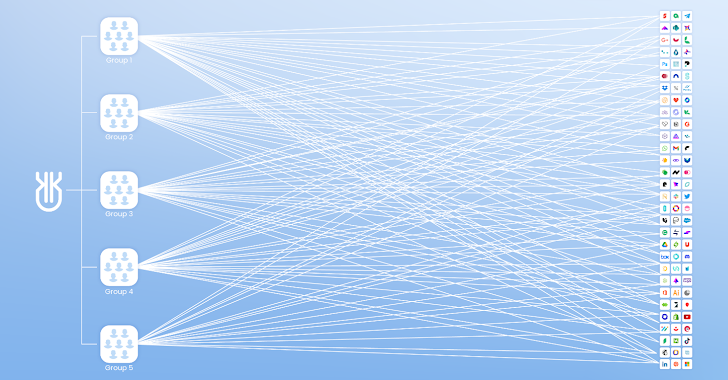
unique key We also offer an intuitive password manager designed for employees, empowering individuals by protecting their use of passwords at work. By shifting the burden of secure password practices from users to automated systems, Uniqkey promotes safer habits without requiring drastic behavioral changes from end users.
This user-centric approach is what sets solutions like Uniqkey apart from the competition.
The company’s solutions not only provide IT tools with the right tools to effectively manage access, but also embrace people’s inherently flawed behaviors and promote healthy and safe practices from the bottom up. To do. In this way, we permanently address the human-centric challenges posed by the modern digital workplace.
In conclusion, as the modern workplace becomes more digital, so must our approach to security. The importance of a modern access management solution cannot be ignored. Platforms like Uniqkey offer businesses the opportunity to stay ahead of potential access-related threats, ensuring their ability to not only survive but thrive in this ever-evolving digital environment.
