











Artificial intelligence (AI) has immense potential for optimizing internal processes within companies. However, there are also legitimate concerns about unauthorized use, such as the risk of data loss and legal implications. In this article, we will explore the risks associated with the introduction of AI and explain measures to minimize the damage. It also explores regulatory efforts by countries and ethical frameworks adopted by companies to regulate AI.
security risk
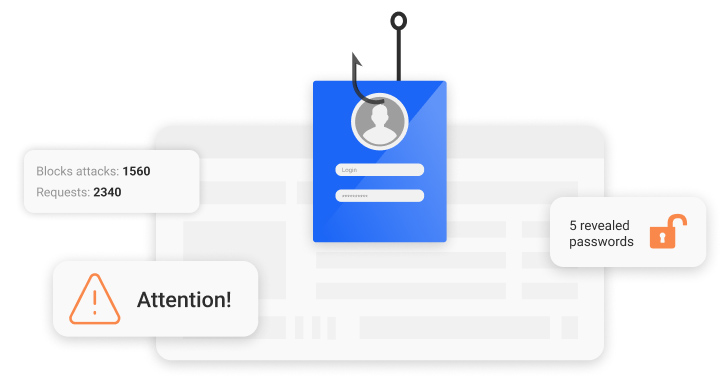
AI phishing attack
Cybercriminals can leverage AI in a number of ways to enhance their phishing attacks and increase their chances of success. Here are some of the ways AI can be abused for phishing:
- – Automated phishing campaign: AI-powered tools can automate the creation and distribution of large-scale phishing emails. These tools can generate compelling email content, create personalized messages, and mimic the writing style of certain individuals to make phishing attempts appear more legitimate.
- – Spear phishing using social engineering: AI can analyze vast amounts of publicly available data from social media, professional networks, and other sources to glean information about potential targets. This information is used to customize phishing emails, which are highly customized and difficult to distinguish from genuine communications.
- Natural Language Processing (NLP) Attacks: AI-powered NLP algorithms can analyze and understand text, allowing cybercriminals to craft phishing emails that are contextually relevant and difficult to detect with traditional email filters. These sophisticated attacks can evade security measures designed to identify phishing attempts.
To mitigate the risks associated with AI-powered phishing attacks, organizations must implement robust security measures. This includes training employees to recognize phishing attempts, implementing multi-factor authentication, and leveraging AI-based solutions to detect and defend against evolving phishing techniques.employ DNS filtering As a first layer of protection, you can further enhance your security.
Regulation and legal risk
With the rapid development of AI, technology-related laws and regulations continue to evolve. Regulatory and legal risks related to AI refer to the potential liabilities and legal consequences that companies may face when deploying AI technology.
– As AI becomes more prevalent, governments and regulators are beginning to enact laws and regulations governing the use of the technology. Failure to comply with these laws and regulations may result in legal and financial penalties.
– Liability for damage caused by AI systems: Companies may be held liable for damage caused by AI systems. For example, if an AI system makes a mistake that causes financial loss or damage to an individual, the company could be held liable.
– Intellectual Property Disputes: Companies may also face legal disputes related to intellectual property when developing and using AI systems. For example, disputes may arise over ownership of the data used to train an AI system, or over ownership of the AI system itself.
Countries and Companies Restricting AI
Regulatory action:
Several countries have introduced or proposed regulations to address AI risks to protect privacy, ensure algorithmic transparency, and define ethical guidelines.
For example: The European Union’s General Data Protection Regulation (GDPR) establishes principles for responsible data use in AI systems, but the proposed AI law aims to provide comprehensive rules for AI applications. I am aiming.
China has announced AI-specific regulations focused on data security and algorithmic accountability, and the United States is engaged in ongoing discussions on AI governance.
Company initiatives:
Many companies are taking proactive steps to responsibly and ethically manage their use of AI, often through self-regulation and ethical frameworks.
Example: Google’s AI Principles emphasize bias avoidance, transparency, and accountability. Microsoft established the AI and Ethics in Engineering and Research (AETHER) committee to guide responsible AI development. IBM developed the AI Fairness 360 toolkit to address bias and fairness in AI models.
Conclusion.
We strongly recommend that you put in place a comprehensive protection system and consult your legal department regarding the associated risks when using AI. If the risks of using AI outweigh the benefits and your company’s compliance guidelines advise against using certain AI services in your workflows, DNS filtering SafeDNS service. This helps reduce the risk of data loss, maintain legal compliance, and adhere to internal requirements.
