









“As natural problem solvers, engineers are always inventing, but they’re not always patenting. If you want to capture and protect those efforts and innovations, first convince them to care and then educate them to succeed.”
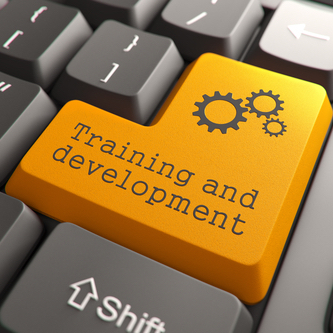 As in house counsel, I encounter many different managers and engineers with varying levels of support and enthusiasm for patents. I’m a big proponent of patent trainings because for most inventors identifying and submitting inventions isn’t obvious or intuitive, but that’s where a strong patent portfolio starts. The description below is more specific to a large global corporation but may be generally applicable to various corporate sizes and types.
1. Start with a Hook
Throughout the year, I give a lot of patent trainings that provide an overview of the patent process and explain how to identify inventions, substantively capture them, and procedurally submit them for review. The most important part of the presentation is the “hook” to catch their interest before they tune out. I start every presentation explaining how patents are important to engineers in safeguarding their efforts and hard-earned gains from evil competitor theft. Reach the audience emotionally before engaging them substantively or risk losing them completely.
2. Bake in Competency
Ideally, corporations have an onboarding process that includes patent training but at this initial stage I would propose only teaching patent pitfalls to avoid, especially regarding public disclosures. For identifying inventions, submitting invention disclosures, and the remaining patent training, I would suggest waiting until their sixth month or first-year anniversary. New hires (regardless of profession) provide very limited value in their first year or two because they lack critical work experience and expertise. When starting out, their priority is learning their job and developing technical competencies, so providing too much patent training too early is not productive, likely quickly forgotten, and further worsens information overload. Instead, I would suggest delaying most of their patent training (and potentially other types of training) for six months or a year.
Even with this type of onboard scheduling, there may still be training gaps for various reasons and filling them can be challenging. Inviting engineers to show up at a time and place for training permits them to not show up at all. Training may be made mandatory but if so, be prepared for a resentful audience. Instead, knock on doors. Ask engineers to propose some times that might best fit their busy schedules. Reach them where they are, not where you want them to be. While this usually means more trainings with smaller individual audiences, it also means reaching a larger aggregate audience with more enthusiasm and better outcomes. But for even better results, find an infiltrator.
3. Find an Infiltrator
I’ve written before on the importance of invention disclosure meetings . In addition to the advantages mentioned previously, another advantage is identifying new inventors who typically have little experience submitting patents and limited knowledge of the patent process. Regardless of age or technical experience, submissions by new inventors are frequently rejected because while they are enthusiastic enough to submit an invention disclosure, they are often inexperienced enough to fail, which makes them primed for training and the perfect advocate for corralling others. “I’m sorry, your invention doesn’t appear to be patentable. We have a training available that might help you and any of your team who might be interested. Let me know a good time to schedule a training for everyone.” The infiltrator returns to their team as an advocate and scheduler for the trainings ensuring better attendance.
For most engineers, patents are a boring afterthought. They are not going to be convinced that patents are exciting, but if the right messenger can pique their interest, they may be persuaded that patents might be important.
4. Mediocre Results and a Lesson Learned
I recently traveled to one of our international sites, where I was scheduled to provide trainings (1.5 hours each), meet with teams (0.5 hour each), and conduct workshops (2 hours each), mostly in that order. I thought frontloading the trainings would prepare the teams for more substantive discussions and more productive workshop. Fewer people arrived for the trainings then had signed up but there was a decent turnout and I didn’t think much of it.
Afterward, when I separately met with each of the teams, I was initially surprised by the conversations. They were not really interested in discussing their recent projects and did not have any patent questions, mostly because many of them had never had a patent training or had one many years ago. I spoke of the importance of patent protection, some pitfalls to avoid, and strongly encouraged them to attend a training. By the end of most of these meetings, they wanted to know when the next training was scheduled . . . when I had just finished two offered sessions. Despite advertising the training for months with the support of upper management, the engineers that had skipped the trainings were suddenly interested. I had scheduled myself backwards.
5. Get your Foot in the Door
I had a training with a hook but that requires people to show up to hear it. I had the support of upper management but lacked the benefit of an infiltrator. I had overestimated the potential draw of being on site for a limited time and overlooked the importance of first emotionally reaching engineers. I had missed a crucial tool – the sales pitch.
As in house counsel, engineers were willing to give me a half hour meeting to introduce myself and have a short discussion. They were wary of committing to an hour and a half training that they didn’t really want and weren’t convinced they needed. I needed a pitch to sell them on patents before they would “buy” it.
After a little trial and error, and with further room for improvement, I have two pitch options depending on how many have had patent training.
6. Plead and Warn
At the beginning of the pitch meeting, if it seems like most people have not had patent training, I emphasize the importance of a portfolio to the company, but most importantly to the engineers, protecting and safeguarding their efforts and ingenuity solving difficult problems.
Engineers are (surprisingly) under a misconception that inventing is a distinctly separate effort requiring a revolutionary result. Reframe inventing as something engineers likely do all the time and highlight that most inventions are incremental improvements. When engineers realize that inventing isn’t something for which they have to set aside separate time in an overpacked work schedule, they are far more likely to want help better identifying inventions in their normal workload.
Warn in advance that their first invention disclosure submission will likely be very painful because it’s unfamiliar, not because it’s difficult. This mitigates discouragement and takes the sting out of a likely rejection, especially for their very first submission. While training helps streamline and jumpstart the invention submission process, there is no substitute for experience. Engineers have to do it themselves to really learn the ropes. Warning of potential pitfalls of an accidental public disclosure and requesting they be on the lookout for potential infringement also seems to resonate because nobody wants to screw up.
By the end of these discussions, engineers understood the value of patents in their work, their own unrealized potential as unwitting inventors, the worry of blowing their chances, and the desire to do better. They wanted the training.
7. Inquire and Guide
If it seemed like most people already received the training, then I gave a much shorter introduction to emphasize the importance of patents and quickly shifted to discussing their recent projects and efforts. They would often start with describing their work and alleging there wasn’t anything patentable, and then after some poking and prodding, we would determine that maybe that wasn’t accurate and that they should submit for review. Patent training had provided the necessary foundation, but engineers still needed focus and guidance on future efforts.
8. Return and Test
When I returned to the United States, I reached out to every local engineering team requesting to meet for a half hour. Over 90% of the teams agreed. At the end of these pitch meetings, some teams requested follow up meetings to continue patent discussions and I made sure to advertise our two next scheduled trainings. The result was the largest audiences of any previous training I had given, more than doubling the previous record, which is even more impressive considering the inconvenient timing and non-mandatory attendance of these particular trainings.
These “patent sales pitches” are helpful in capturing innovation and building a strong patent portfolio. As natural problem solvers, engineers are always inventing, but they’re not always patenting. If you want to capture and protect those efforts and innovations, first convince them to care and then educate them to succeed. If you want patents from engineers, sell engineers on patents.
Image Source: Deposit Photos
Image ID:23235328
Copyright:tashatuvango