










Introduction
As electricity costs continue to rise and grid instability becomes a daily concern, an increasing number of homes and businesses are switching to solar energy systems paired with lithium battery storage. While many people now utilize this solar energy technology, only a few truly understand how the system works.
At Kowatek Solar LTD we believe our clients should not only own solar systems but also understand the engineering behind them. A properly designed solar solution encompasses much more than just panels and batteries; it represents an intelligent energy infrastructure engineered for reliability, efficiency, and long-term performance, focusing on:
- Reliability
- Efficiency
- Long-term performance
- Energy independence
- System longevity
This article provides a straightforward explanation of how solar + lithium battery systems operate and why proper engineering is essential.
Understanding the Complete Solar Energy System
A modern premium solar installation consists of five major components working together intelligently:
1. Solar Panels: The Power Generation Unit
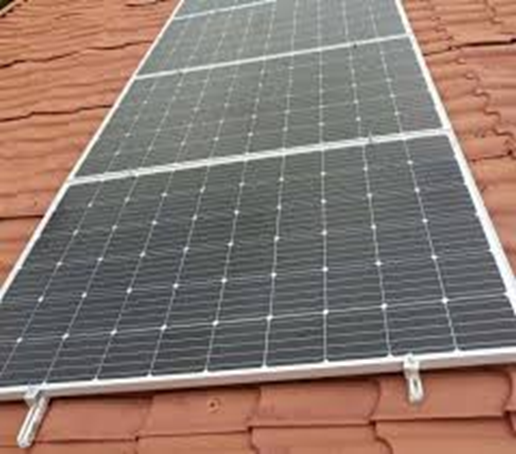
Solar panels convert sunlight into electrical energy. During the daytime, the photovoltaic (PV) cells inside the panels absorb sunlight and generate direct current (DC) electricity. The stronger the sunlight, the more electricity is produced. However, premium engineering goes beyond simply installing panels for DC production.
At Kowatek Solar LTD, solar panel selection is meticulously engineered based on:
- Energy demand analysis
- Roof orientation
- Environmental conditions
- Expansion possibilities
- Long-term energy yield
- Structural integrity and durability
This careful planning ensures maximum performance and return on investment over many years.
2. The Inverter: The Intelligent Brain of the System
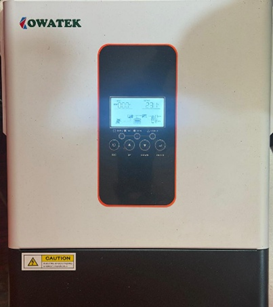
The inverter serves as the control center of the solar system. Since solar panels and batteries produce DC electricity, while homes and offices utilize alternating current (AC) electricity, the inverter converts:
DC → AC
However, modern hybrid inverters perform far more functions than simple conversion. They intelligently manage:
- – Solar generation
- – Battery charging
- – Load balancing
- – Utility grid interaction
- – Generator integration
- – System protection
- – Energy optimization
At Kowatek Solar LTD, inverter sizing is professionally engineered to ensure:
- Stable performance
- Future scalability
- Appliance protection
- Efficient energy utilization
- Reliable backup performance
- Surge current handling
An improperly sized inverter can reduce system efficiency and shorten equipment lifespan, especially if overloaded.
3. Lithium Batteries: The Energy Storage System
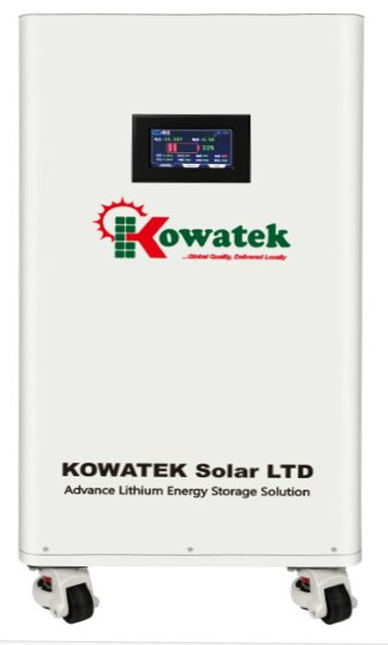
Lithium batteries store excess solar energy generated during the day for use at night or during outages. Think of them as your private energy reserve.
During the Day
- Solar energy powers appliances directly
- Excess electricity charges the batteries
At Night
- Batteries power the appliances automatically
Modern premium systems typically use LiFePO4 lithium batteries, which offer:
- Longer lifespan
- Faster charging
- Higher efficiency
- Improved safety
- Deeper usable capacity
- Minimal or zero maintenance
At Kowatek Solar LTD, battery systems are engineered using:
- Accurate load calculations
- Depth-of-discharge optimization
- Intelligent battery protection systems
- Scalable architecture
- Advanced Battery Management Systems (BMS)
True premium engineering prioritizes longevity, not just installation.
4. Charge Controllers: Protecting and Optimizing the System
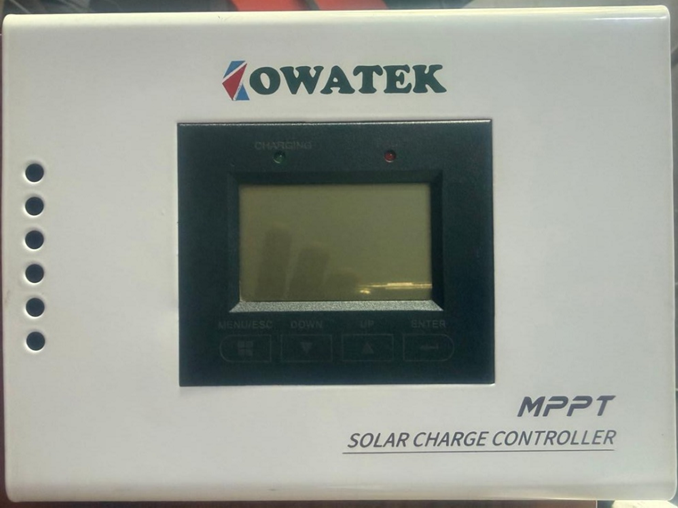
The charge controller regulates energy flow from the solar panels to the battery system. Its functions include:
- Preventing overcharging
- Improving charging efficiency
- Protecting battery health
- Stabilizing voltage
Most premium hybrid inverters now include advanced maximum power point tracking (MPPT) charge controllers internally. MPPT technology helps maximize solar harvest, especially during:
- Cloudy conditions
- Early morning
- Late afternoon
- Partial shading
This significantly improves system efficiency.
5. Electrical Loads: Understanding Energy Usage
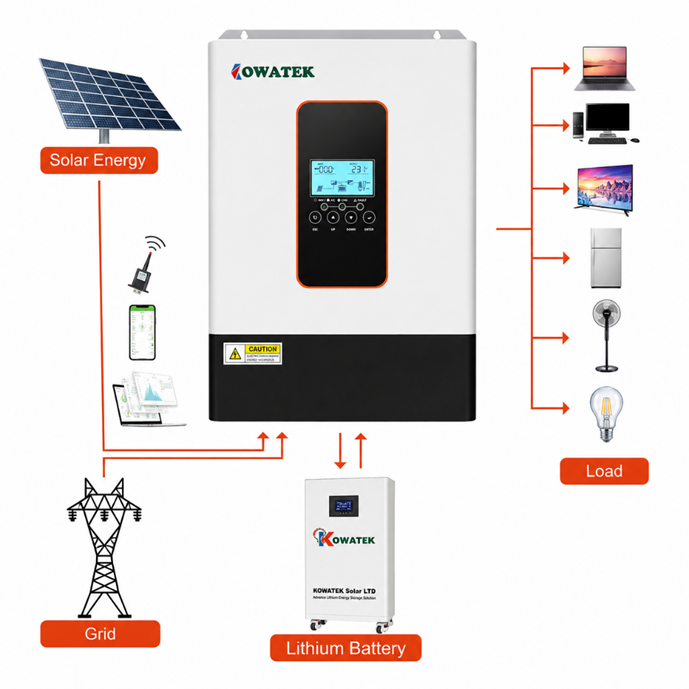
The term “electrical load” encompasses all appliances and equipment that consume electricity. This includes:
- Air conditioners
- Refrigerators
- Lighting
- TVs
- Computers
- Pumps
- Security systems
- Industrial equipment
Importance of Professional Engineering
At Kowatek Solar LTD, each system begins with a comprehensive energy audit to assess:
- Peak load demand
- Daily energy consumption
- Surge requirements
- Backup expectations
- Future expansion plans
Proper load analysis is essential; without it, even high-quality solar systems can underperform.
How the Entire System Works Together
Daytime Operation
Sunlight → Solar Panels → Inverter → Appliances
During this process, any excess solar power is directed to **Lithium Batteries**. If there is no excess energy, the batteries cannot charge.
Nighttime Operation
Lithium Batteries → Inverter → Appliances.
If the battery is undersized, it may not provide sufficient power for appliances at night.
During Grid Failure
In the event of a National Grid failure or power outage, our inverter system automatically switches to battery backup within milliseconds, ensuring an uninterrupted power supply for critical loads.
Real-World Example
Imagine a property with:
- 10 high-efficiency solar panels
- 10kWh lithium battery storage
- 5kW hybrid inverter
During the Afternoon
The solar system may simultaneously:
- Power refrigerators
- Run 1hp inverter AC
- Run televisions
- Power fans
- Support home office equipment
- Charge the battery bank
At Night
The battery system takes over, providing power without noise, fuel, or interruptions. This illustrates the benefit of professionally engineered energy independence.
Why Proper Solar Engineering Matters
Many failed solar installations result not from defective batteries but from.
They are caused by:
- Poor load analysis
- Insufficient solar panels
- Improper inverter sizing
- Lack of engineering calculations
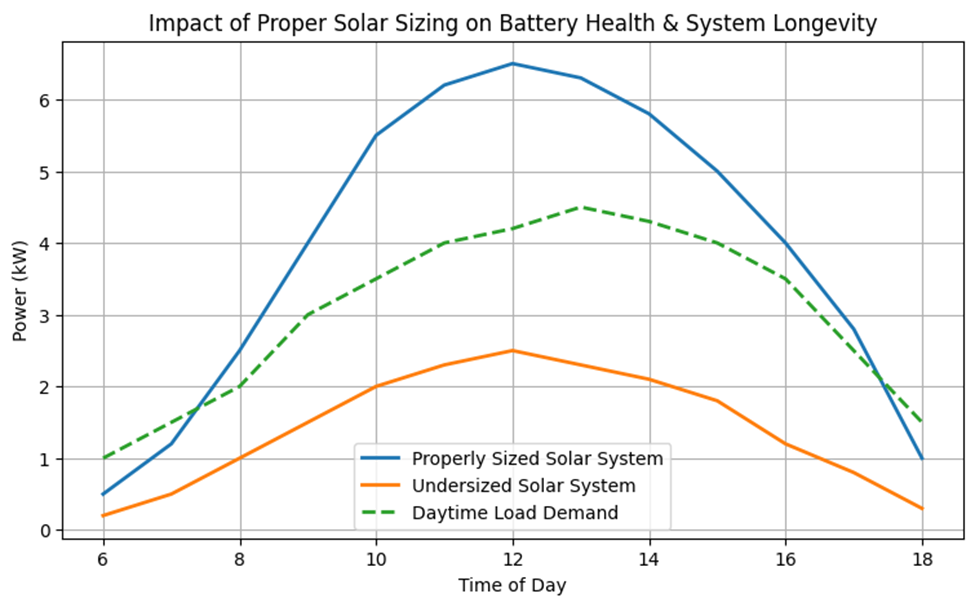
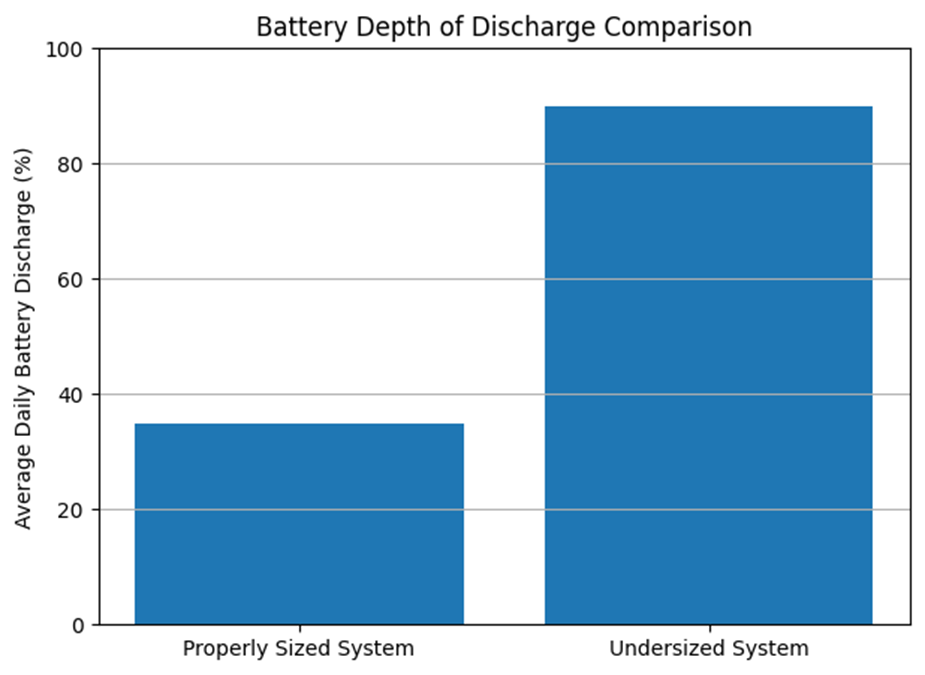
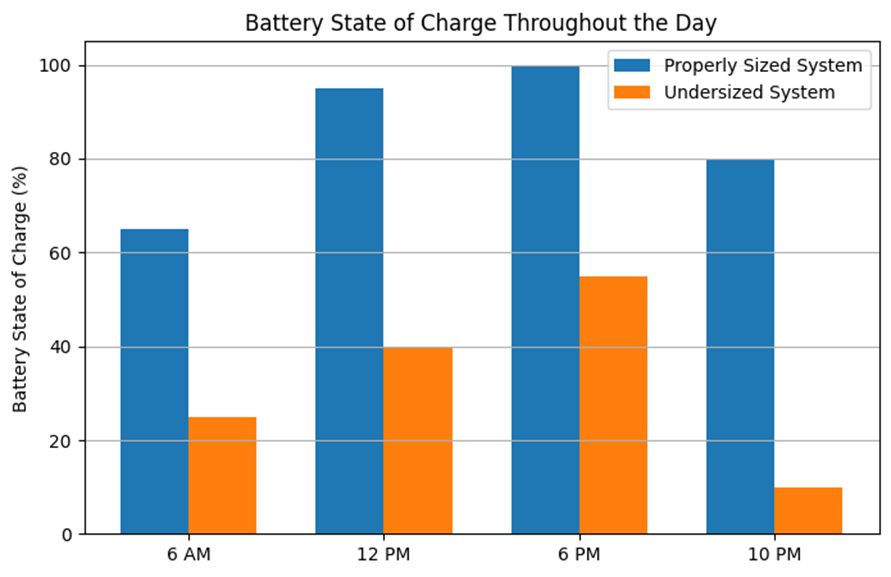
If solar panels can’t adequately supply daytime loads while charging the batteries, the battery bank becomes the primary power source during the day. This can lead to:
- Constant deep discharge cycles
- Incomplete charging
- Overheating
- Accelerated battery degradation
At Kowatek Solar LTD, our systems are engineered to ensure:
- Adequate daytime solar coverage
- Healthy battery charging cycles
- Long-term energy stability
- Optimized battery lifespan
- Future scalability
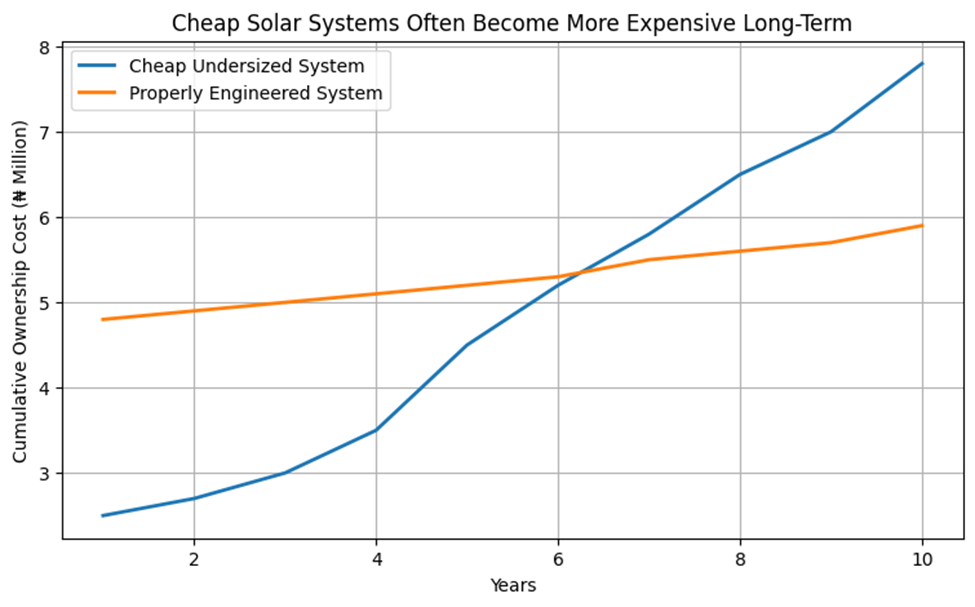
Premium solar engineering is not about installing the cheapest system; it’s about designing systems that perform reliably for years.
Engineering Data & Performance Analysis
Impact of Proper Solar Sizing on Battery Health & System Longevity
2. Comparison of Battery Depth of Discharge
3. Battery State of Charge Throughout the Day
4. Why Cheap Solar Systems Can Be More Expensive in the Long Run
Why Lithium Battery Systems Are Transforming Energy in Nigeria
Lithium battery technology has revolutionized modern solar engineering. Compared to older lead-acid batteries (such as deep-cycle and tubular types), lithium systems offer:
- Longer lifespan
- Faster charging
- Higher energy efficiency
- Better inverter compatibility
- Lower or zero maintenance
- Greater reliability
Premium lithium systems can last between 6 to15 years depending on:
- Cell quality
- System design
- Installation standards
- Usage patterns
This is why the quality of engineered solar solutions matters.
Common Mistakes People Make When Buying Solar Materials
Focusing Only on Price
Cheap systems often compromise:
- Battery quality
- Cable sizing
- Safety features
- Engineering standards
Ignoring Load Calculations
A solar system should be engineered around actual energy demand, not guesswork, to ensure effective performance.
Buying Oversized Inverters Without Proper Battery Capacity
A larger inverter does not guarantee longer backup times; battery storage determines the runtime.
Using Poor Installation Practices
Improper installation can lead to:
- Reduced efficiency
- Fire hazards
- Battery damage
- Frequent inverter faults
By avoiding these common pitfalls and investing in quality systems, you can ensure a reliable and efficient solar energy solution.
The Kowatek Solar LTD Engineering Difference
At Kowatek Solar LTD, we treat solar energy as a long-term engineering project rather than just a product installation. Our approach emphasizes.
- Professional energy audits
- Premium component selection
- Intelligent system design
- Scalable energy architecture
- Lithium battery optimization
- Clean installation standards
- Reliable after-sales support
We design systems for:
- Homes
- Estates
- Commercial buildings
- Offices
- Hospitality facilities
- Industrial applications
Modern energy solutions demand engineering precision, reliability, and scalable designs that cater to our customers’ needs and budgets.
Conclusion
Solar and lithium battery systems are no longer considered luxury technology; they are becoming essential components of energy infrastructure for comfortable living and efficient business operations. The key difference between a system that lasts for years and one that frequently encounters issues lies in proper engineering and reliable components.
At Kowatek Solar LTD, we build premium solar energy systems designed for performance, durability, efficiency, and energy independence – all while being budget-friendly. True solar value is not defined by the initial cost of a system, but by its reliable performance over the years to come.
